

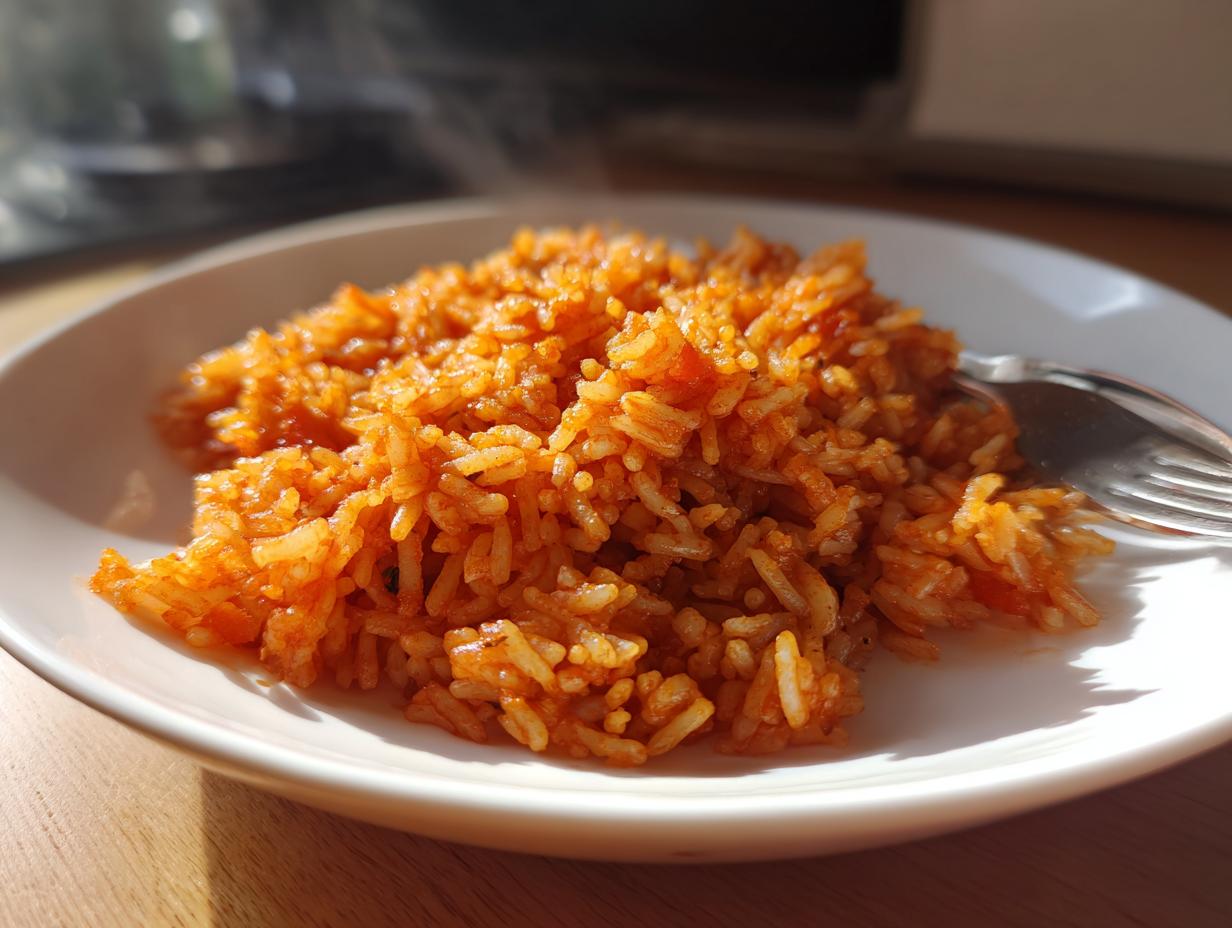
Oh, you guys, get ready to experience flavor magic because we are officially diving into the deep end of West African Rice Dishes! There is nothing in the world quite like that vibrant, rich, aromatic pot of Jollof. Seriously, if you haven’t conquered making real, authentic **jollof rice**, you are missing out on one of the most comforting and joyful meals out there. I was intimidated by it for years—I thought it was too much effort for a Tuesday night.
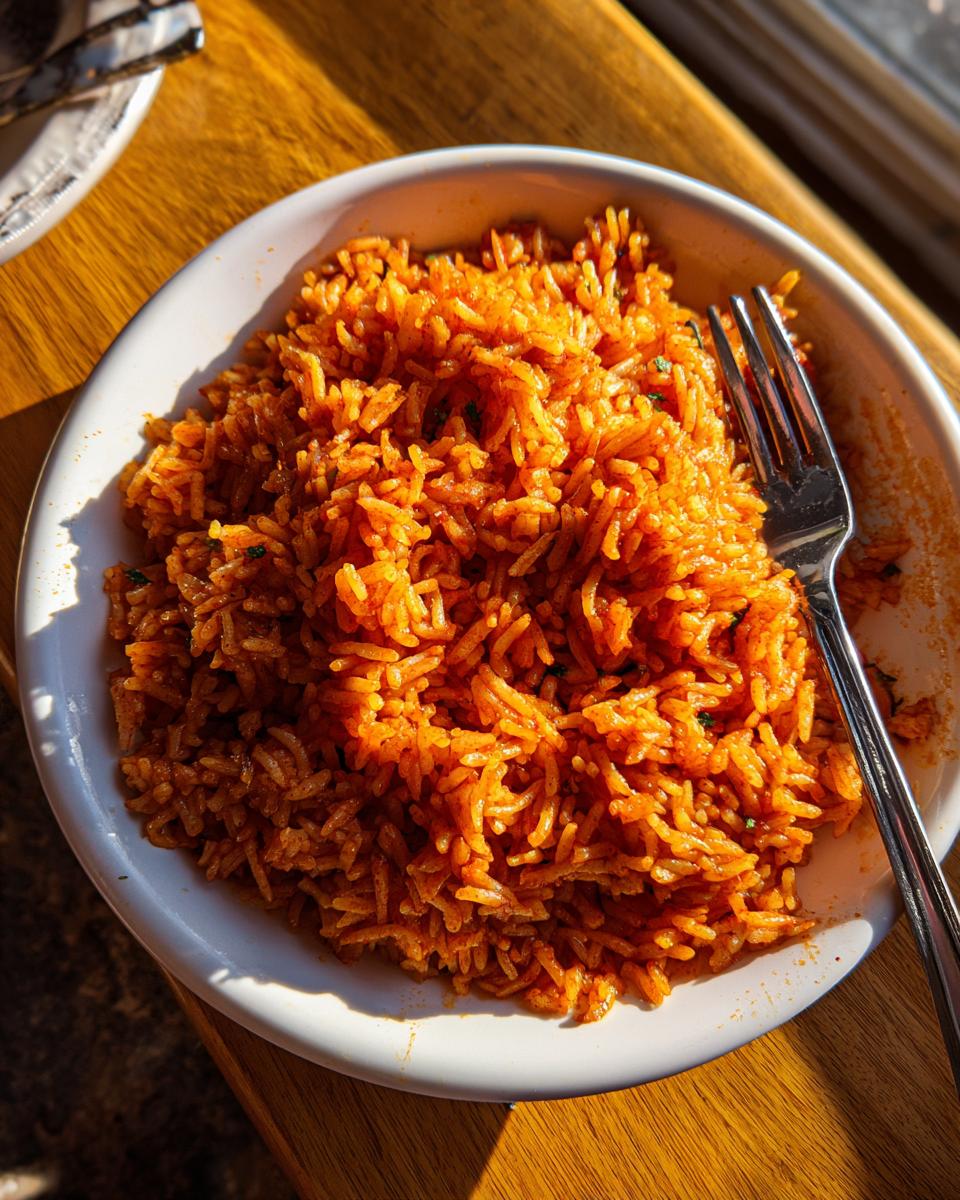
But that changed when I finally cracked the code for the Authentic Nigerian Smoky Party Jollof Rice. Trust me, once you nail that deep red color and that subtle, smoky finish, your confidence in the kitchen just skyrockets. This isn’t just rice; it’s an event, and I’m going to show you how simple this ultimate one-pot version really is!
- Why This Authentic Nigerian Smoky Party Jollof Rice Recipe Works (E-E-A-T)
- Essential Ingredients for Flavorful Jollof Rice
- Step-by-Step Instructions to Make Nigerian Jollof Rice
- Tips for Achieving Fluffy Jollof Rice Every Time
- Serving Suggestions for Your Jollof Rice
- Storing and Reheating Leftover Jollof Rice
- Frequently Asked Questions About Making Jollof Rice
- Estimated Nutritional Data for Jollof Rice
- Share Your Best Jollof Rice Creations
Why This Authentic Nigerian Smoky Party Jollof Rice Recipe Works (E-E-A-T)
I get it, you want that legendary ‘party’ taste, but you don’t want to spend all day hovering over the stove. This recipe cuts through the fuss! It’s trustworthy because we focus only on the essential flavor builders. Forget fussy layering; this is designed for real life.
Achieving the Signature Smoky Flavor in Your Jollof Rice
- We rely on cooking down our fresh pepper base until it’s super concentrated. That deep simmer gets rid of any raw acidic taste and starts building that signature depth.
- I also sneak in just a tiny bit of smoked paprika—it’s a little shortcut, but honestly, it locks in that authentic, slightly scorched aroma everyone associates with unforgettable **jollof rice**!
The One-Pot Method for Perfect Jollof Rice Texture
- This whole process stays in one heavy pot, which is fantastic for weeknight dinners. Less cleanup means more time enjoying that delicious flavorful one pot meal!
- The trick here is the final steaming phase. When you seal that pot tight, the steam does all the heavy lifting, ensuring every grain of rice is cooked perfectly fluffy and separate. No more mushy messes!
Essential Ingredients for Flavorful Jollof Rice
Okay, let’s talk about what goes into this masterpiece of spicy rice. When you’re making *real* Nigerian **jollof rice**, the flavor comes almost entirely from the pepper base and the quality of the rice you pick. Don’t skimp on these building blocks!
- 2 cups long-grain parboiled rice – this is non-negotiable for me!
- 1/4 cup vegetable oil
- 1 large onion, chopped (we use half now, half later!)
- 4 cloves garlic, minced
- 1 inch ginger, grated
- 1/4 cup tomato paste – this needs to be cooked down properly!
- 4 large ripe tomatoes
- 2 red bell peppers
- 1-2 scotch bonnet peppers (adjust for heat, be safe here!)
- 4 cups chicken or vegetable stock
- 1 teaspoon dried thyme
- 1 teaspoon curry powder
- 2 bay leaves
- Salt to taste
- 1 teaspoon smoked paprika (my secret weapon for that smoky rice recipes vibe)
Ingredient Notes and Substitutions for Jollof Rice
Rice choice is huge. I always recommend long-grain parboiled rice because it’s tough enough not to turn to mush while steaming. If you absolutely must use Basmati—and Basmati cooks way faster—you’ll need to cut the stock down, or you’ll end up with soup, not Jollof!
When it comes to the scotch bonnet peppers? Taste your blended mix before adding the rice. If you are sensitive to heat, feel free to use just one, or take the seeds out before blending. Remember, we want flavor, not tears!
Step-by-Step Instructions to Make Nigerian Jollof Rice
Alright, buckle up, because this is where the magic happens! Remember, we aren’t just boiling rice here; we are building layers of flavor. This whole process is designed to keep everything neat and tidy in one pot, which makes mastering this famous jollof rice so much less scary for beginners.
Preparing the Flavor Base (The Stew)
First things first, your peppers! Toss your ripe tomatoes, red bell peppers, and those sneaky scotch bonnet peppers into a blender until you get a super smooth mixture—no big chunks allowed. Next, heat up that oil in your big, heavy pot over medium heat. Add half your chopped onion, cooking it until it gets soft and sweet, about five minutes. Toss in the garlic and ginger, just until you can really smell them—that’s like 60 seconds, tops.
Now, this next part is key for that rich color: stir in that tomato paste. You have to cook this paste for a good 5 to 7 minutes, stirring constantly, until it goes from bright red to a deeper, almost brick-like shade. That means the raw taste is gone! Then, pour in your blended pepper mix, the other half of the onion, your thyme, curry powder, that little bit of smoked paprika, and the bay leaves. Season with salt. Let this whole beautiful sauce simmer down, uncovered, for at least 15 to 20 minutes. You want it reduced until it’s thick!
Combining Rice and Stock for Steaming
While that sauce is concentrating, take your parboiled rice and rinse it under cold water until the water runs totally clear. That gets rid of the surface starch, which helps keep the grains fluffy later. When your sauce looks good and thick, add the rinsed rice and stir it really well so every single grain gets coated in that tomato goodness. Pour in your stock—this is important—you want the liquid to just barely cover the rice. If it’s swimming, it’ll get soggy!
Bring it all up to a quick boil, and then, right away, drop that heat down to the absolute lowest setting it can go. For the most important step: cover the pot first with a sheet of aluminum foil—really seal those edges! Then put the lid on tight. This traps every bit of steam. Leave it alone! Seriously, don’t peek for 25 to 35 minutes. This steaming process is how you get that wonderful, slightly smoky flavor cooking right into the bottom!
Tips for Achieving Fluffy Jollof Rice Every Time
Okay, now that you’ve mastered the cooking phase, let’s nail those tiny tweaks that take you from good **jollof rice** to *wow* **jollof rice**. Getting those **fluffy rice cooking tips** down means you’re officially making authentic African cuisine!
The Secret to the ‘Smoky’ Bottom Layer of Jollof Rice
That unmistakable smoky flavor everyone talks about? It comes from the bottom layer of rice that lightly toasts against the pot. It’s what we call ‘party flavor,’ and it’s totally desirable! But you have to manage it, right? You want to let it toast just long enough on that very lowest heat for that hint of smokiness, but if you leave it too long, you’ll burn the whole batch—and nobody likes burnt rice!
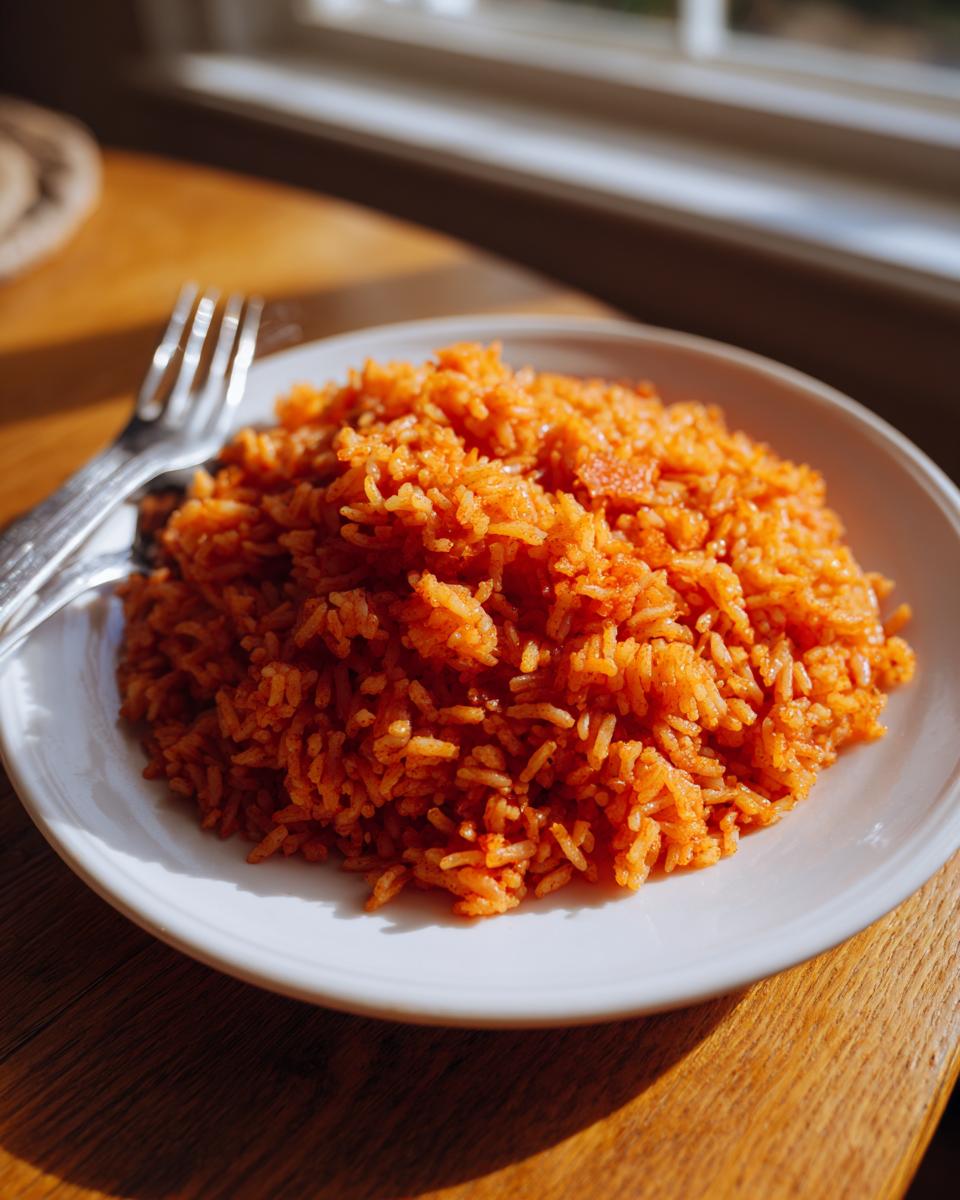
When you rest the pot off the heat for those last 10 minutes, you are letting that trapped heat finish the top grains without scorching the bottom ones further. When you dish it out, gently use a wooden spoon to scrape around the bottom and fold those slightly toasted bits into the fluffy rice above. That’s the sign of a pro job! If you need more ideas on handling rice, check out what the folks at KikiFoodies suggest for keeping things perfectly cooked.
Serving Suggestions for Your Jollof Rice
Alright, the **jollof rice** is done, it smells incredible, and it’s looking brilliantly red! Now we need to treat it right with some fantastic sides. This tomato-based goodness pairs beautifully with almost anything, but to really embrace those vibrant side dishes, I love keeping it classic but simple.
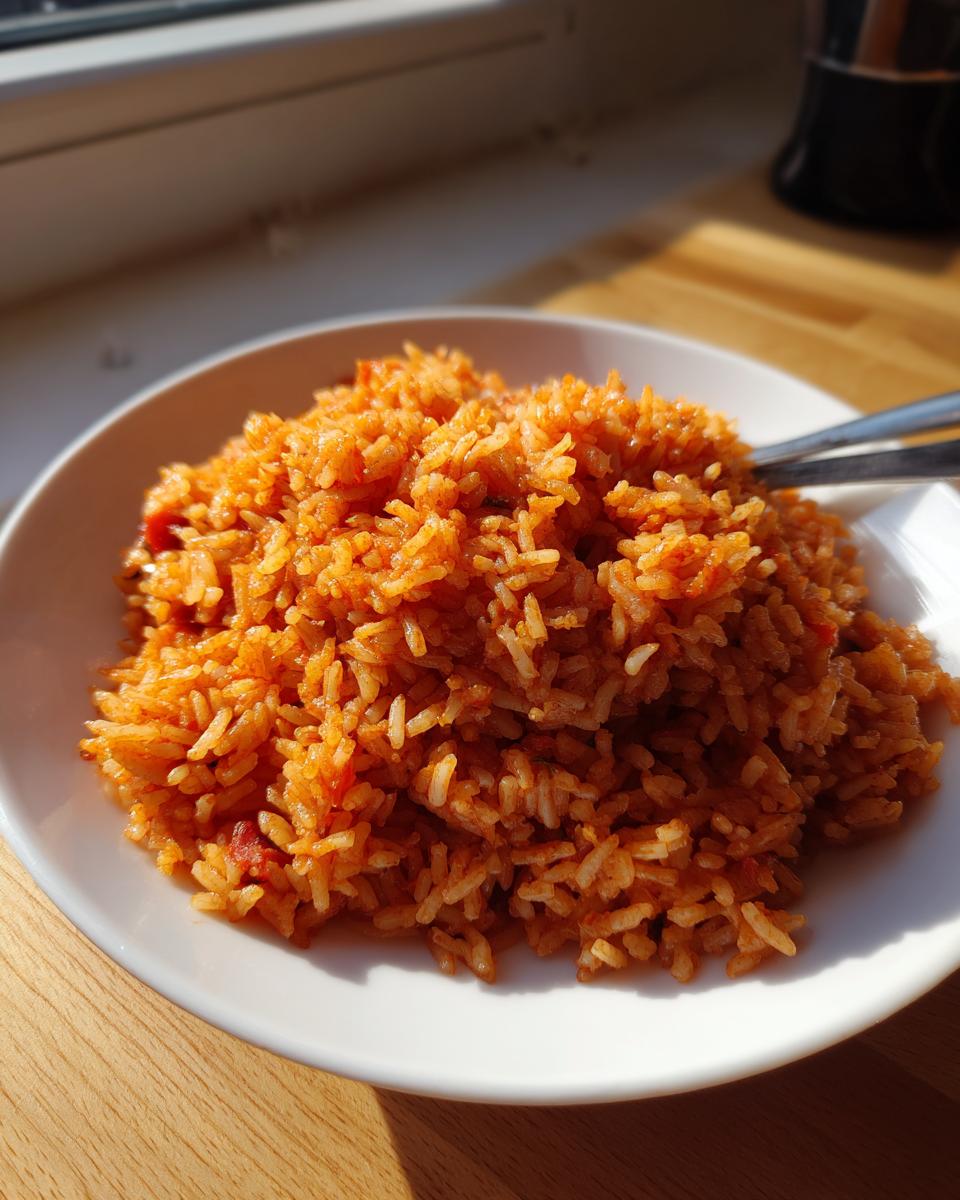
You absolutely must have some fried plantains—the sweet caramelization contrasts perfectly with the savory spice of the rice. A good side salad or some fresh coleslaw brings a nice, cool crunch. If you made this vegetarian, a simple scoop of nicely seasoned grilled chicken or fish always shows off that gorgeous rice the best on the plate!
Storing and Reheating Leftover Jollof Rice
Oh, the glorious leftovers! If you managed to have any amazing Nigerian **jollof rice** left over, you’re in luck because it tastes even better the next day. Seriously, the spices just keep getting friendlier overnight.
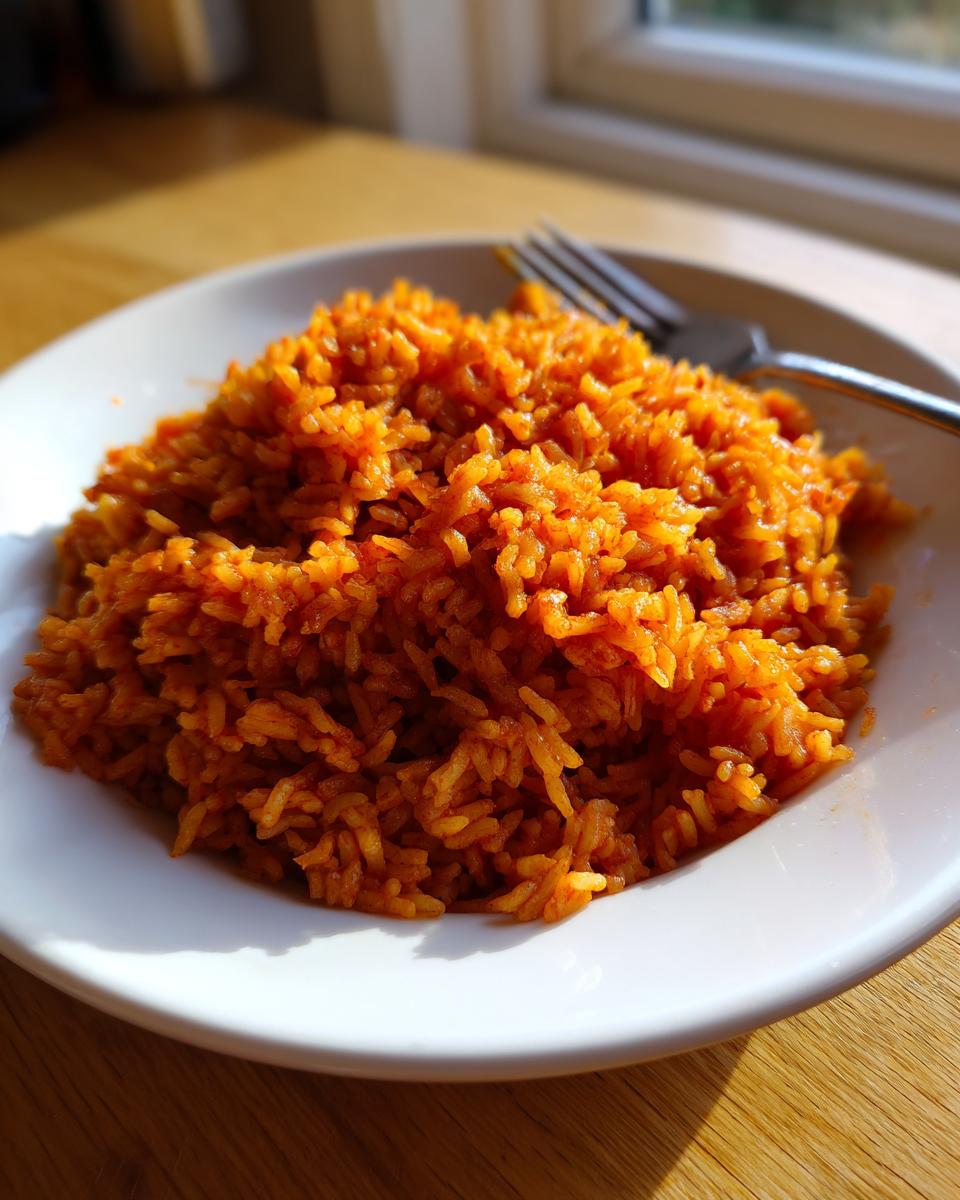
When it comes to storage, keep it super simple. Make sure the rice has cooled down a bit before you pop it into the fridge—don’t put a piping hot pot directly in there, that’s just tempting fate! An airtight container is your best friend here. It should keep beautifully in the refrigerator for about 3 to 4 days. I wouldn’t push it past that, just to be safe with the tomato and pepper base.
Now, reheating is where you save the texture! You don’t want to microwave it plain and end up with hard, crunchy grains, right? My favorite trick, which brings back that lovely steamed fluffiness, is adding a tiny splash of water or a little bit of stock to the rice before you heat it. You can use the microwave, but cover it tight with a damp paper towel first—that creates steam while it heats.
If you have the time, putting it back into a pot with just a tablespoon of water, covering it tightly (maybe even adding a layer of foil!), and letting it steam gently on very low heat until everything is warmed through is the absolute best way to keep that authentic texture. It brings it right back to where it was fresh from the pot!
Frequently Asked Questions About Making Jollof Rice
I totally get it—when you’re diving into West African cuisine, there are always a few snags! I get so many messages asking about rice types and heat levels for this Nigerian **jollof rice**, so I figured I’d put the common ones right here.
Can I use Basmati rice instead of parboiled rice for this jollof rice recipe?
Yes, you totally can, but you have to be way more careful! Parboiled rice is tough and holds up to all that simmering. Basmati is softer and absorbs liquid much faster. If you swap it, definitely cut the stock measurement down by maybe a half cup to start, and watch it super closely during that steaming phase so it doesn’t turn into sticky mush. It’s doable, but parboiled is my tried-and-true for that perfect texture!
How do I ensure my jollof rice is spicy enough?
That beautiful, bold flavor comes down to those peppers! I put the scotch bonnets right into the initial pepper blend—that makes sure the heat permeates everything before the rice even goes in. If you taste your tomato base (after cooking down, of course!) and you think, “Hmm, needs more punch,” you can always stir in a pinch of cayenne pepper or a dash of hot pepper sauce right before you add the rice. That’s how you control the heat in your **spicy rice**!
If you want to read more tips on nailing the flavor profile, my friend over at Mushroomsalus has a super helpful breakdown on heat management, too!
Estimated Nutritional Data for Jollof Rice
I’m not a nutritionist by any means, so take these numbers with a grain of salt—literally! Since this is such a rich dish, focusing on the fat from the oil and the carbs from the rice, I always advise checking in with your favorite tracking app for the most precise numbers based on your stock and oil usage.
However, based on the standard recipe measurements for a single, hearty serving, here’s what we are generally looking at for this delicious plate of African comfort food:
- Serving Size: 1 cup cooked
- Calories: 450
- Sugar: 8g
- Sodium: 550mg
- Fat: 12g (mostly unsaturated!)
- Saturated Fat: 2g
- Unsaturated Fat: 10g
- Trans Fat: 0g
- Carbohydrates: 75g
- Fiber: 4g
- Protein: 10g
- Cholesterol: 0mg
See? We managed to keep the cholesterol at zero since this particular recipe is vegetarian! That’s a huge win for a weeknight West African meal. Just remember, this is an estimate, especially since the stock can really change the sodium level depending on how you prep it. It’s just good practice to show you what’s coming into your belly!
Share Your Best Jollof Rice Creations
Whew! You made it! Now that you’ve got that beautiful, smoky, flavorful Nigerian **jollof rice** steaming perfectly in your pot, I truly want to hear about it. This whole point of Devour Dish is building community around simple, delicious food, and nothing makes me happier than knowing you successfully tackled an amazing dish like this!
Did you get that gorgeous deep red color? Did the smoky flavor really come through? Don’t be shy! Pop down in the comments below and leave a rating for the recipe—stars help other home cooks who might be nervous about trying African food for the first time.
And if you snapped a photo of your finished plate—maybe with some fried plantains on the side or served up for a weekend party—I would absolutely love to see it! Tag me on social media so I can cheer you on. Helping you feel confident in the kitchen with classic dishes like this is exactly why I started this blog. Happy cooking, my friend!
PrintAuthentic Nigerian Smoky Party Jollof Rice (The Ultimate One-Pot Recipe)

You can make authentic Nigerian Jollof Rice that is smoky, flavorful, and perfect for any gathering using this simple one-pot method. This recipe focuses on building a deep tomato base for that signature party taste.
- Prep Time: 20 min
- Cook Time: 55 min
- Total Time: 75 min
- Yield: 6 servings 1x
- Category: Main Dish
- Method: Stovetop (One-Pot)
- Cuisine: Nigerian
- Diet: Vegetarian
Ingredients
- 2 cups long-grain parboiled rice
- 1/4 cup vegetable oil
- 1 large onion, chopped
- 4 cloves garlic, minced
- 1 inch ginger, grated
- 1/4 cup tomato paste
- 4 large ripe tomatoes
- 2 red bell peppers
- 1–2 scotch bonnet peppers (adjust for heat)
- 4 cups chicken or vegetable stock
- 1 teaspoon dried thyme
- 1 teaspoon curry powder
- 2 bay leaves
- Salt to taste
- 1 teaspoon smoked paprika (for extra smoke)
Instructions
- Prepare the pepper base: Blend the tomatoes, red bell peppers, and scotch bonnet peppers until smooth. Set aside.
- Sauté aromatics: Heat the vegetable oil in a large, heavy-bottomed pot or Dutch oven over medium heat. Add half of the chopped onion and sauté until softened, about 5 minutes. Add the minced garlic and grated ginger, cooking for 1 minute until fragrant.
- Cook the tomato paste: Stir in the tomato paste and cook for 5-7 minutes, stirring often, until it darkens in color. This step removes the raw, acidic taste.
- Build the stew: Pour in the blended pepper mixture. Add the remaining chopped onion, thyme, curry powder, smoked paprika, and bay leaves. Season with salt. Bring to a simmer and cook uncovered for 15-20 minutes, allowing the sauce to reduce and the flavors to concentrate. This reduction is key for deep flavor and color.
- Add rice and stock: Rinse the parboiled rice thoroughly under cold water until the water runs clear. Add the rinsed rice to the stew base and stir well to coat every grain. Pour in the chicken or vegetable stock. The liquid should just cover the rice; add a little more stock or water if needed.
- Steam the rice: Bring the mixture to a boil, then immediately reduce the heat to the lowest setting. Cover the pot tightly with aluminum foil before placing the lid on top. This traps the steam needed to cook the rice perfectly.
- Cook undisturbed: Let the Jollof Rice steam for 25-35 minutes without lifting the lid. The steam cooks the rice and creates the desirable smoky bottom layer (the ‘party’ flavor).
- Rest and serve: Turn off the heat and let the pot sit, still covered, for another 10 minutes. Fluff the rice gently with a fork before serving. Discard the bay leaves.
Notes
- For the best smoky flavor, ensure the sauce cooks down well before adding the rice. Some cooks slightly burn the bottom of the sauce before adding liquid to deepen the smoke notes.
- Use long-grain parboiled rice; it holds its shape better than regular long-grain rice, preventing sogginess.
- If you are serving a large crowd, this recipe scales up well in a single large pot.
Nutrition
- Serving Size: 1 cup cooked
- Calories: 450
- Sugar: 8
- Sodium: 550
- Fat: 12
- Saturated Fat: 2
- Unsaturated Fat: 10
- Trans Fat: 0
- Carbohydrates: 75
- Fiber: 4
- Protein: 10
- Cholesterol: 0