

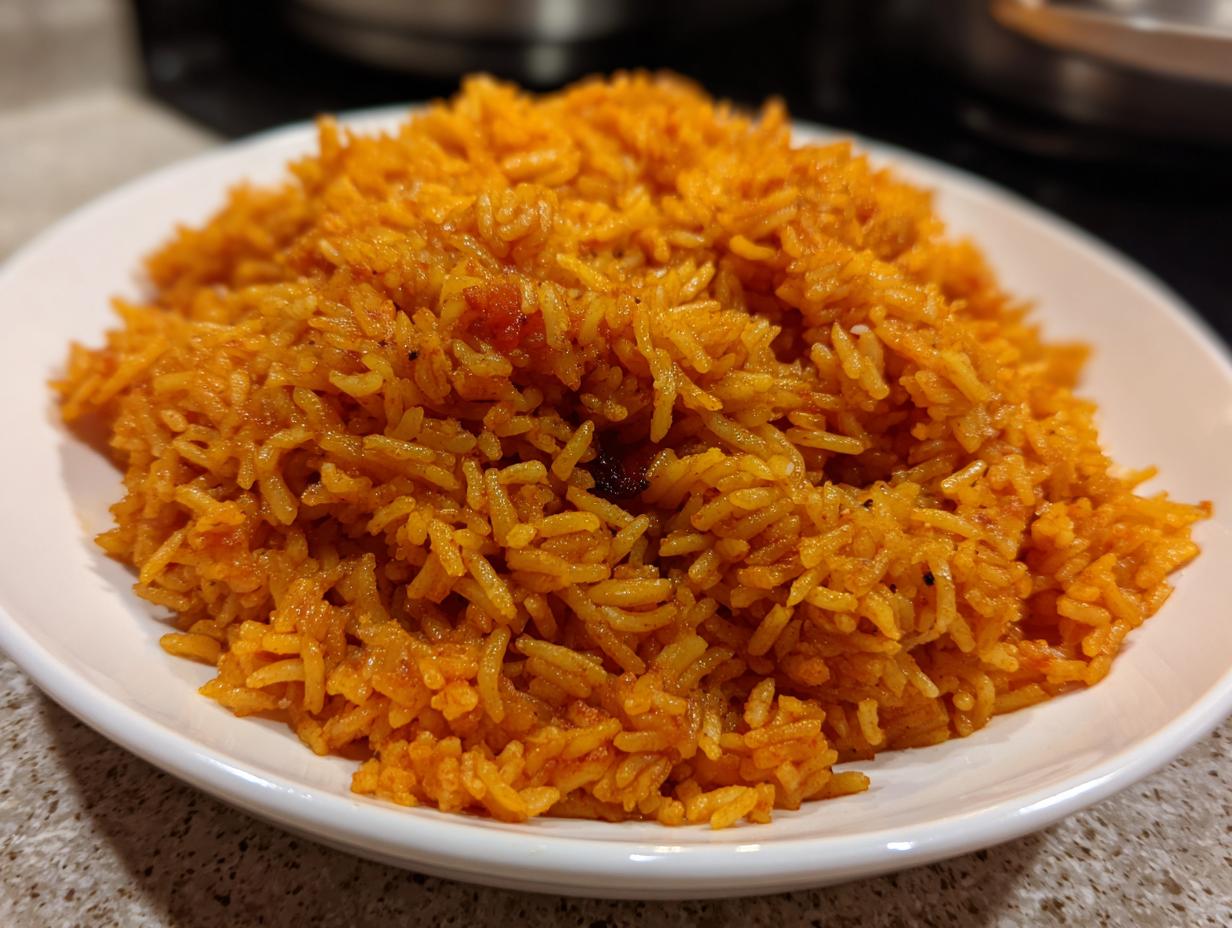
Oh my goodness, if there’s one dish that instantly transports me back to the happiest celebrations—birthdays, weddings, holidays—it’s that incredible, soul-satisfying smell of authentic party food! I’m Avery, and if you’ve ever wanted to conquer the king of West African feasts, you’ve landed in the right spot. Forget those complicated, long-winded guides; I’ve broken down exactly how to make Nigerian Jollof Rice so that it comes out smoky, perfectly spiced, and absolutely flawless every single time. This isn’t just a recipe; it’s the key to bringing that vibrant celebration right into your own kitchen. Trust me, once you nail this base, you’ll be the star of the next potluck!
- Why This Authentic Nigerian Jollof Rice Recipe Works for You
- Essential Nigerian Jollof Base Ingredients
- How to Make Nigerian Jollof Rice Step-by-Step
- Tips and Tricks for Smoky jollof rice nigerian Success
- Serving Suggestions for Traditional Nigerian Rice Cooking
- Storage and Reheating jollof rice nigerian Leftovers
- Frequently Asked Questions About How to Make Nigerian Jollof Rice
- Estimated Nutritional Information for jollof rice nigerian
- Share Your Experience Making Nigerian Party Rice
Why This Authentic Nigerian Jollof Rice Recipe Works for You
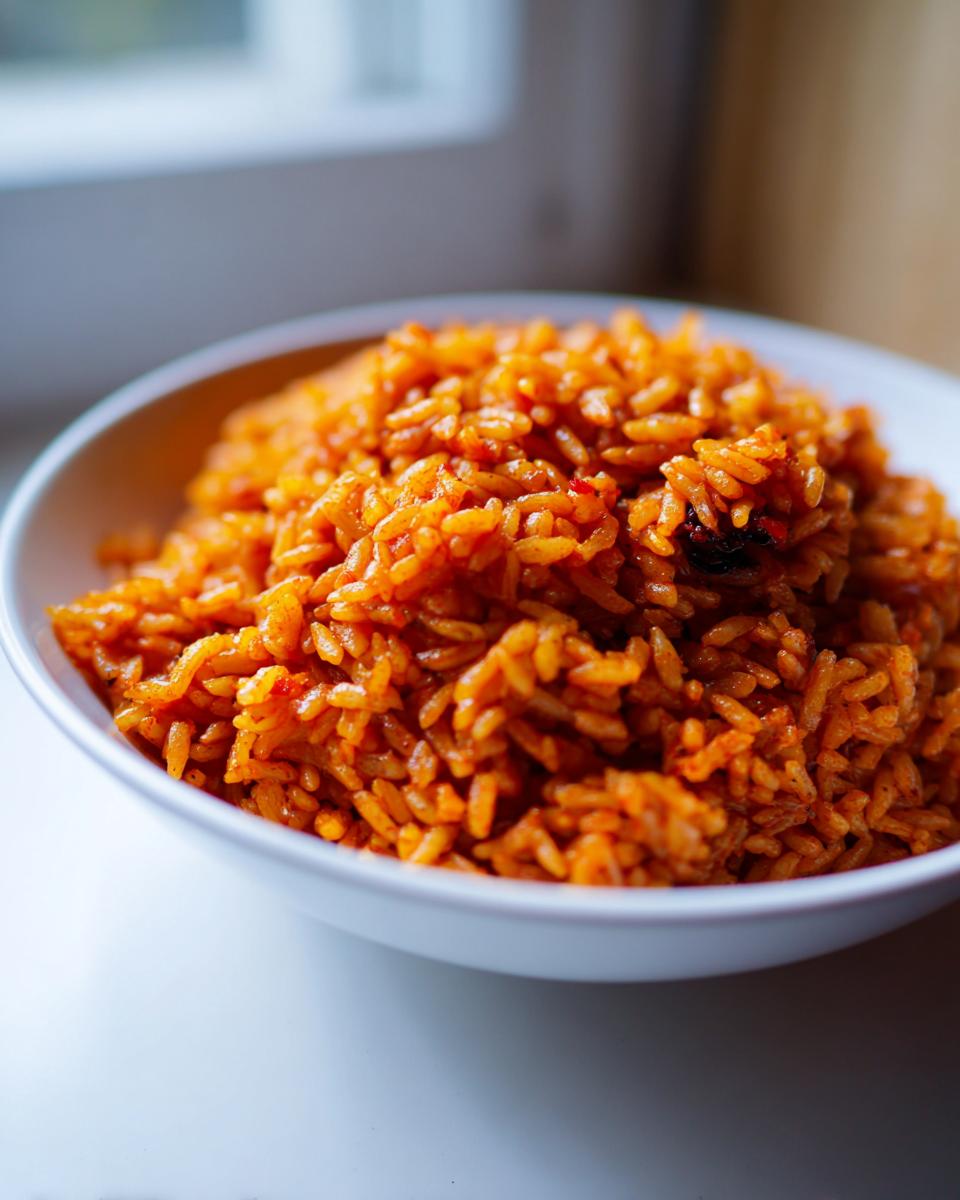
I know what you might be thinking: “Jollof rice is hard!” But honestly, my goal here at Devour Dish is to make the *best* versions of classic dishes simple. This Authentic Nigerian Jollof Rice Recipe is my go-to because it cuts through the confusion. You don’t need hours, and you certainly don’t need a professional kitchen. It’s reliable and tastes exactly like the party rice everyone raves about.
- It uses simple ingredients you can usually find right in the store.
- The technique is foolproof, designed for beginners and seasoned cooks alike.
- You get that deep, rich flavor without stirring constantly!
Achieving the Signature Smoky Nigerian Jollof Rice Flavor
The secret to that coveted smoky taste in jollof rice nigerian isn’t actually liquid smoke—it’s technique! We build flavor by frying the tomato paste until it darkens, which really deepens the sweetness. Then, we trap all of that beautiful steam under tight foil and a lid below the lowest heat. That controlled slow cooking lets the bottom layer just kiss the pot, giving you that gorgeous, subtle smokiness that makes party rice unmistakable. Wow, the smell when you lift that lid!
Essential Nigerian Jollof Base Ingredients
Okay, let’s talk ingredients! When you’re going for that authentic taste, you can’t skimp or guess here. This list is exactly what I use every single time to make sure my jollof rice nigerian is spot-on. It’s not a long list, but every item plays a huge role in building that deep, complex flavor profile that West Africans know and love. We’re focusing on building a rich tomato base first, then letting the rice soak up all that goodness. Don’t worry, I’ve listed everything you need:
- 3 cups long-grain parboiled rice
- 1/4 cup vegetable oil
- 2 large onions, chopped
- 1/4 cup tomato paste
- 1 (14.5 oz) can crushed tomatoes
- 4 cups chicken or beef stock
- 1 scotch bonnet pepper, blended (adjust to your heat preference!)
- 1 red bell pepper, blended
- 2 teaspoons dried thyme
- 2 teaspoons curry powder
- 2 bay leaves
- 1 teaspoon salt, or to taste
- 1/2 teaspoon ground white pepper
- 1 bouillon cube, crushed
Ingredient Notes and Substitutions for Nigerian Jollof Rice
The rice is the star, so please, pretty please, use long-grain parboiled rice. It’s sturdier, and it holds its shape beautifully instead of turning mushy. If you use regular long-grain white rice, you’ll have soupy rice, and we don’t want that! Also, that colorful pepper blend—the red bell pepper and the scotch bonnet—is absolutely crucial to the heart of the jollof rice nigerian base. If you can simmer your chicken or beef stock from scratch, that extra layer of flavor is amazing, but the canned tomatoes and bouillon cube really help fill in the gaps for a quick weeknight version. It all comes together!
How to Make Nigerian Jollof Rice Step-by-Step
This is where the magic actually happens! Getting the order right here is what separates ‘rice with tomato sauce’ from true, authentic jollof rice nigerian. We need to build our flavor base completely before the rice even goes in. Remember how I talked about building layers? This entire first part is about creating the richest, most gorgeous tomato stew possible. Once you have this base simmering nicely, the rest is just waiting patiently! If you want to see another way I use rice bases, check out my Easy Fluffy Rice Pilaf Recipe—though Jollof is definitely more robust!
Preparing the Flavorful Tomato Stew for jollof rice nigerian
First things first, rinse that parboiled rice until the water runs clear—this washes away excess starch, which is super important for non-soggy results. Now, grab your big, sturdy pot (we’ll talk more about that later!). Heat your oil on medium, then toss in half your onions and let them soften for just three minutes. The real work starts when you add the tomato paste. You absolutely must fry that paste for a full five minutes, stirring constantly! If you don’t, it stays tangy. Frying it until it’s a deeper, slightly darker brick red color unlocks all that sweetness. Once it’s dark, throw in the rest of your onions, your blended bell pepper, and that spicy scotch bonnet. Let that spicy pepper mix cook down for about ten minutes. Then, hit it with the dried herbs and spices—thyme, curry, salt, bouillon cube—let them toast for a minute until everything smells amazing. Finally, pour in the crushed tomatoes and the stock. Bring it all to a boil, then reduce the heat and let it hang out, simmering gently for about 10 minutes. This step is non-negotiable; it’s where the flavors truly meld together!
The Steaming Process for Perfect jollof rice nigerian
Okay, time for the rice integration. Add your rinsed rice right into that simmering pot and stir it until every single grain is coated in that glorious red base. Make sure the liquid just barely covers the rice; too much liquid means soup, not solid party rice! This is the moment you have to lock in that steam. Cover the pot tightly with a layer of aluminum foil first, pressing it down just above the rice line, and then put your lid on top. Seriously, make it airtight! Reduce your heat to the absolute lowest setting your stove can manage. Now, here is the most important part: Do not stir it! Interrupting the steam lets the heat escape and messes up the cooking cycle, which leads to unevenly cooked or soggy grains. Let it steam for 30 to 40 minutes. If you test it and it’s still a little hard, add just a tiny splash of water, recover everything tightly, and give it another 10 minutes. We want the rice tender, not gummy!
Tips and Tricks for Smoky jollof rice nigerian Success
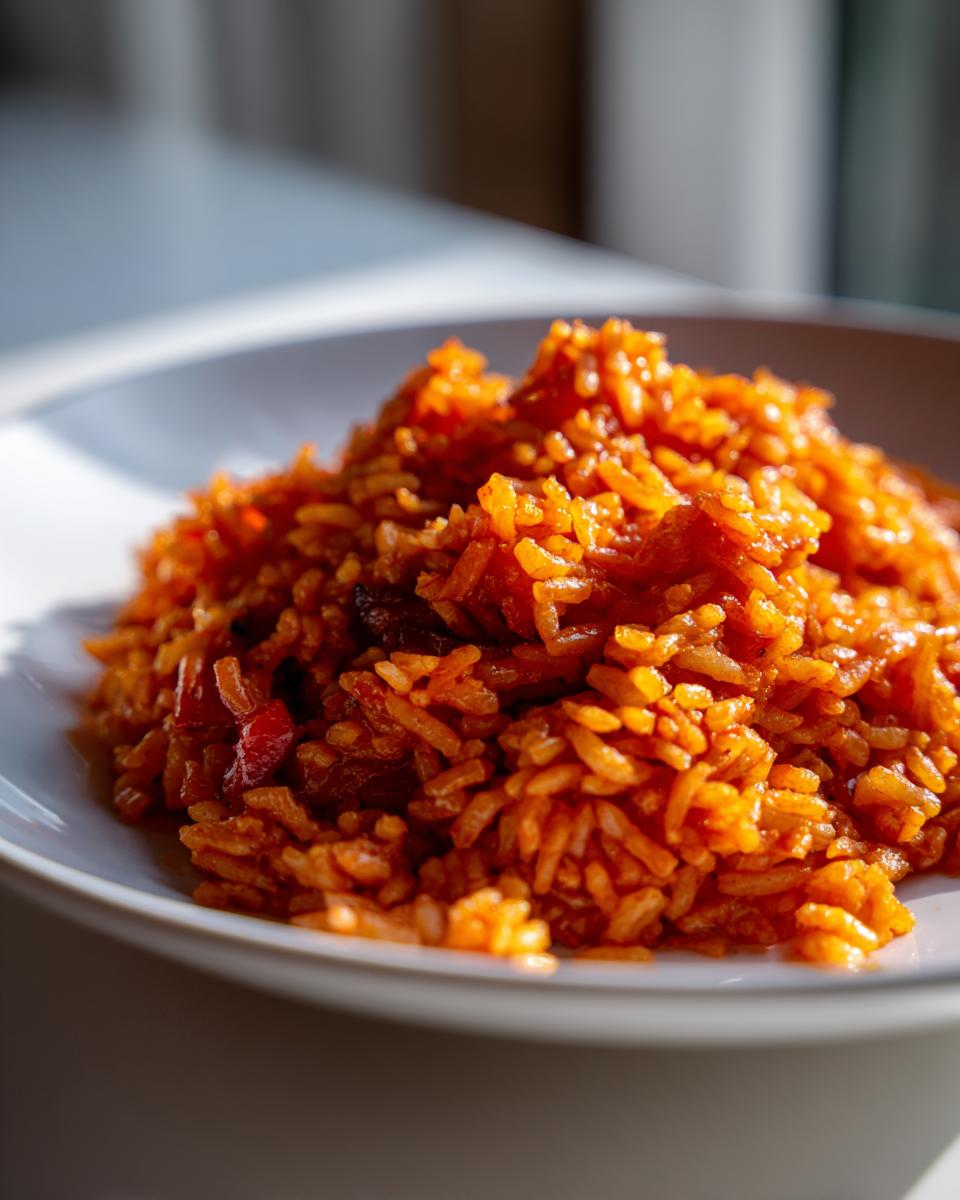
Getting that “Bottom Pot” flavor is what separates a good pot of rice from the jollof rice nigerian you dream about!
My biggest tip really relates to the vessel you use. You absolutely need a heavy-bottomed pot or a Dutch oven. Why? Because you want that gentle, lingering heat distribution on the bottom layer to create that signature scorch—that slightly burnt, smoky essence that screams “Party Rice!”
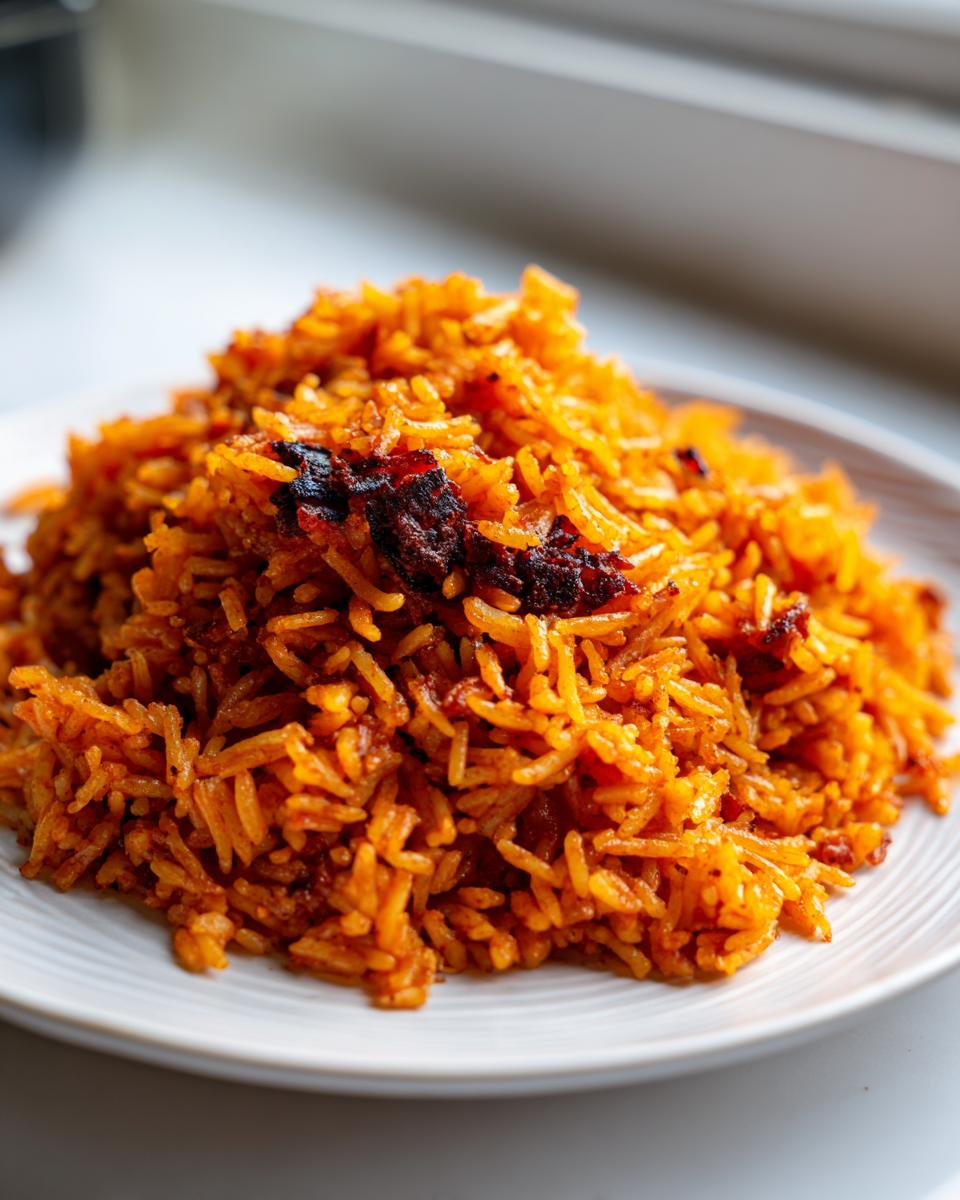
But listen, there’s a fine, fine line between smoky and ruined. Once the rice is cooked and you turn the heat off, let it sit, covered, for those extra ten minutes. That residual heat finishes the process. If you peek too early, you ruin the steam. If you leave it on low for too long, you get charcoal! It’s about restraint, my friends. That little bit of caramelized rice at the very bottom is pure gold, but make sure the rest of your rice is perfectly tender first.
Serving Suggestions for Traditional Nigerian Rice Cooking
Now that you’ve poured your love into making the best jollof rice nigerian, what do you serve it with? This dish shines all by itself, but to make it a true feast, you need the right friends on the plate! I always pair mine with sweet, crispy fried plantain—the contrast of the sweet starch and the savory rice is just divine. Also, a lovely, crisp coleslaw cuts through the richness perfectly. If you’re feeling ambitious, serve it alongside some rich chicken or beef stew. For some really great side pairings, you might even like to serve it with my favorite Southern Fried Cornbread recipe if you’re mixing up traditions!
Storage and Reheating jollof rice nigerian Leftovers
Wow, this stuff is even better the next day, isn’t it? That’s the beauty of proper jollof rice nigerian! Make sure any leftovers go into an airtight container right away and keep them in the fridge. When you’re ready for round two, don’t just blast it in the microwave dry—it’ll get hard! I always stir in a tiny splash of water or stock right into my portion before covering it with a damp paper towel. Whether you microwave it or gently steam it on the stovetop, that moisture wakes the rice right back up?
Frequently Asked Questions About How to Make Nigerian Jollof Rice
What is the best pot to use for making jollof rice nigerian?
For the very best results, you really want a heavy-bottomed pot or a Dutch oven. I rely on my cast iron Dutch oven because it holds heat so evenly. This is key for two reasons: First, it keeps the temperature consistent during that long, quiet steaming phase, ensuring all the rice cooks at the same rate. Second, and maybe more important for flavor, that heavy bottom allows the bottom layer of rice to gently toast and get slightly smoky without burning instantly. If you use a thin pot, you risk having half-cooked rice on top and burnt mush on the bottom, and nobody wants that!
Can I make this Easy Jollof Rice for Beginners without scotch bonnet?
That’s a great question, especially if you aren’t used to that wonderful heat! The scotch bonnet pepper is what brings the distinctive, fruity heat to authentic jollof rice nigerian. If you absolutely have to skip it, you can use a milder chili like a single seeded jalapeño, or even just a dash of cayenne pepper added into your blended mix. However, I have to be honest with you: it will change the flavor profile. The real flavor comes from that specific pepper! If you reduce the heat, you’ll still have a delicious rice dish, but it won’t have that authentic fire we are aiming for, so start small with whatever pepper you use and taste your base before adding the rice!
Estimated Nutritional Information for jollof rice nigerian
I always like to give you an idea of what you’re putting into your body when you enjoy something this delicious! Like everything I share here on Devour Dish, these numbers are generated using standard tracking tools, so they are super helpful guides, but they aren’t scripture, you know?
The exact values for your jollof rice nigerian can swing based on how much oil you use, what kind of stock you choose, and even the size of those peppers! But generally speaking, this is what a healthy serving size looks like:
- Serving Size: 1 serving
- Calories: 450
- Sugar: 8g
- Sodium: 550mg
- Fat: 15g
- Saturated Fat: 3g
- Carbohydrates: 70g
- Fiber: 4g
- Protein: 12g
So, you’re getting a great mix of energy from the carbs and a nice bit of protein too! It’s a hearty meal, which is why it’s the centerpiece of any good celebration. Just remember that salt content can change dramatically depending on the bouillon cube or stock you opt for, so always taste your base before you commit to the rice!
Share Your Experience Making Nigerian Party Rice
Alright, you’ve done the hard work, you’ve watched the steam do its silent magic, and now you’ve tasted that incredible, authentic flavor. I am just bursting with excitement to hear how your first attempt at this jollof rice nigerian turned out!
Please, don’t run off yet! This community runs on shared results. Did you nail that smoky flavor on the first go? Did your kids love it? Did you manage to snag any of that coveted bottom pot rice before your family devoured it all? Drop a quick comment below and give your star rating right there on the recipe card. Seriously, knowing how your dish turned out helps me keep these recipes reliable for everyone else!
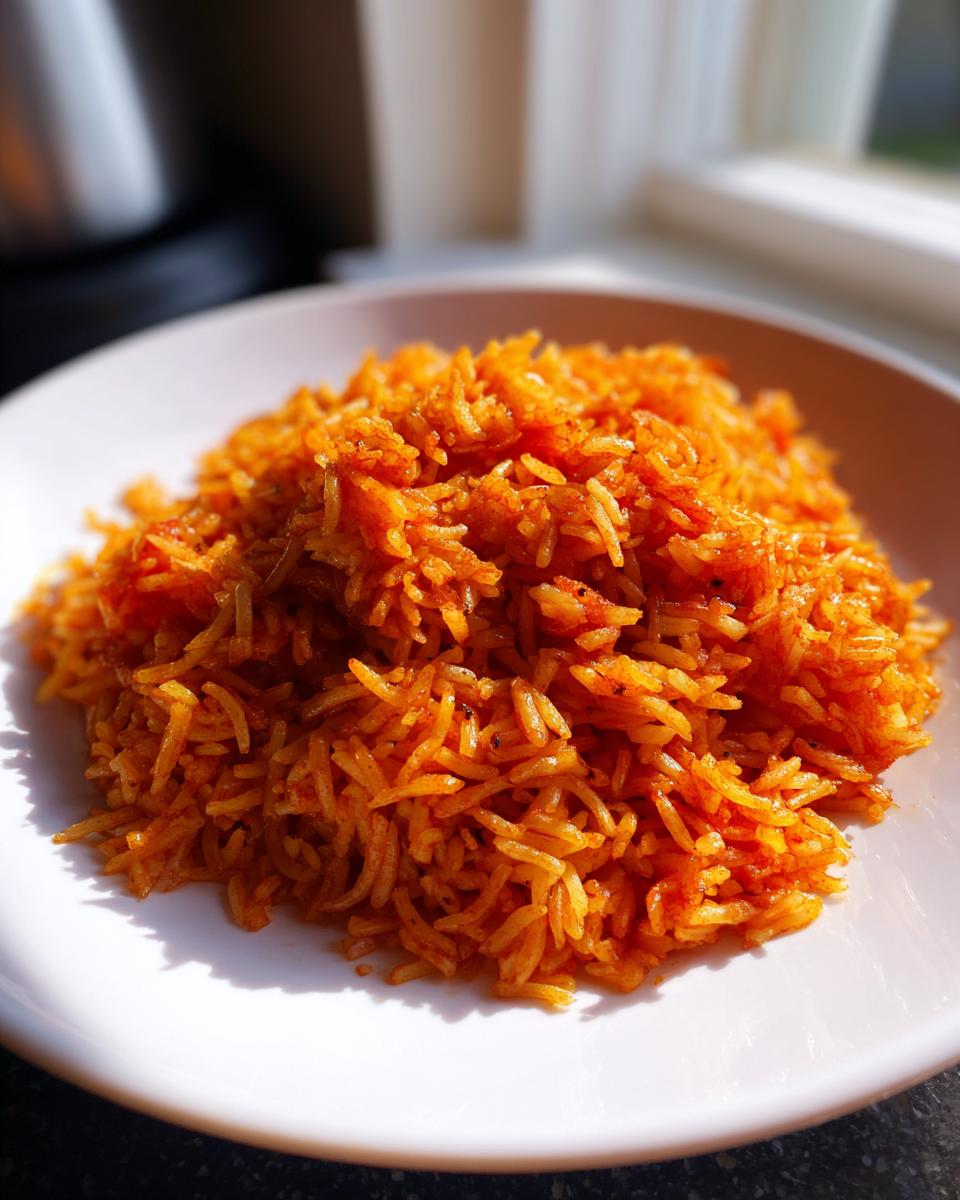
If you snapped a picture of your gorgeous, vibrant orange rice, please share it on social media and tag me—I absolutely love seeing your kitchen creations! And if you ever need to reach out with a super specific question that the FAQs didn’t cover, my contact page is always open over here at my contact page. Happy cooking, and thank you again for cooking with me!
PrintAuthentic Nigerian Jollof Rice Recipe

Learn how to make classic, smoky Nigerian Jollof Rice using a straightforward method perfect for home cooks. This recipe delivers the signature flavor of party rice.
- Prep Time: 20 min
- Cook Time: 50 min
- Total Time: 70 min
- Yield: 6 servings 1x
- Category: Main Dish
- Method: Stovetop Cooking
- Cuisine: Nigerian
- Diet: Vegetarian
Ingredients
- 3 cups long-grain parboiled rice
- 1/4 cup vegetable oil
- 2 large onions, chopped
- 1/4 cup tomato paste
- 1 (14.5 oz) can crushed tomatoes
- 4 cups chicken or beef stock
- 1 scotch bonnet pepper, blended (adjust to your heat preference)
- 1 red bell pepper, blended
- 2 teaspoons dried thyme
- 2 teaspoons curry powder
- 2 bay leaves
- 1 teaspoon salt, or to taste
- 1/2 teaspoon ground white pepper
- 1 bouillon cube, crushed
Instructions
- Rinse the parboiled rice under cold water until the water runs mostly clear. Set aside.
- Heat the vegetable oil in a large, heavy-bottomed pot or Dutch oven over medium heat. Add half of the chopped onions and sauté until softened, about 3 minutes.
- Add the tomato paste and fry for 5 minutes, stirring constantly until it darkens slightly. This step builds flavor.
- Add the remaining onions, blended scotch bonnet, and blended red bell pepper to the pot. Cook for 10 minutes, stirring occasionally, until the pepper mixture reduces slightly.
- Stir in the thyme, curry powder, bay leaves, salt, white pepper, and crushed bouillon cube. Cook for 1 minute until fragrant.
- Pour in the crushed tomatoes and the chicken or beef stock. Bring the mixture to a boil, then reduce heat to medium-low and let it simmer for 10 minutes to allow the base flavors to meld. This is your Jollof base.
- Add the rinsed rice to the simmering base. Stir well to coat every grain evenly. The liquid should just cover the rice; if it does not, add a small amount of water or stock.
- Cover the pot tightly with foil before placing the lid on top. This traps the steam needed to cook the rice. Reduce the heat to the lowest setting.
- Cook undisturbed for 30 to 40 minutes. Do not stir during this time. The steam cooks the rice.
- After 30 minutes, check the rice. If it is tender, turn off the heat. If it is still hard, add 1/4 cup of water, re-cover tightly, and cook for another 10 minutes.
- To achieve the smoky flavor, allow the bottom layer of rice to slightly scorch (this is the ‘bottom pot’ flavor). Once cooked, let the rice rest, covered, off the heat for 10 minutes before fluffing with a fork and serving.
Notes
- Use long-grain parboiled rice for the best texture; it holds its shape better than regular white rice.
- For the best smoky flavor, use a heavy-bottomed pot and keep the heat very low once the rice is covered.
- Serve this classic West African rice dish with fried plantain, grilled chicken, or a simple beef stew.
Nutrition
- Serving Size: 1 serving
- Calories: 450
- Sugar: 8
- Sodium: 550
- Fat: 15
- Saturated Fat: 3
- Unsaturated Fat: 12
- Trans Fat: 0
- Carbohydrates: 70
- Fiber: 4
- Protein: 12
- Cholesterol: 0