

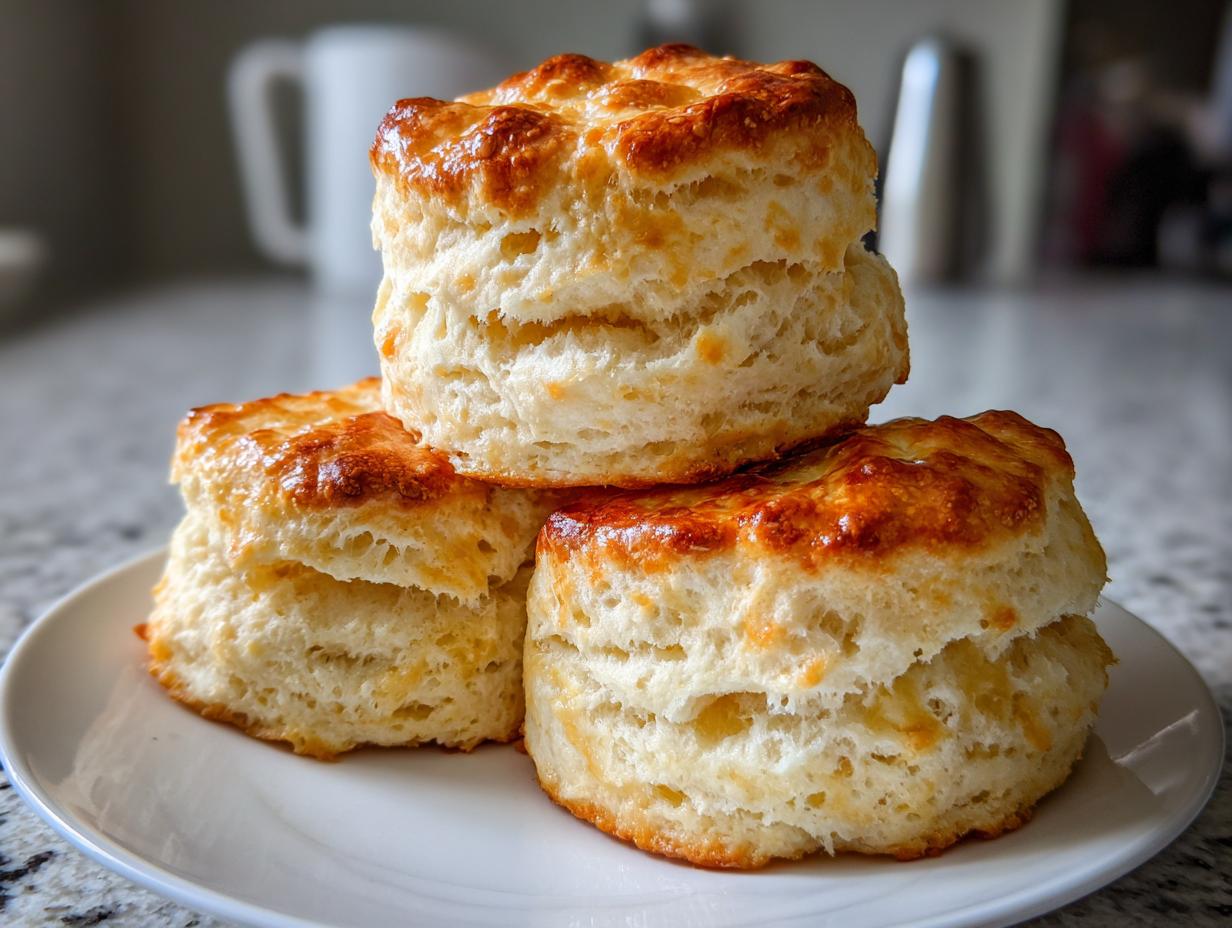
So glad you’re here! If you think making those incredible, towering, buttery scones you get at the fancy tea rooms is tricky, I’m here to completely change your mind. Seriously, forget flat, dry hockey pucks! This Classic Buttermilk Scones recipe is my absolute go-to because it focuses entirely on simple techniques that guarantee you get that bakery-quality result: light, fluffy, and those gorgeous flaky layers.
My goal is always to keep things straightforward because, let’s be honest, life is busy! But great food shouldn’t suffer. The magic here truly comes down to using everything ice cold and touching the dough as little as possible. That patience and attention to ingredient temperature is what locks in the texture—it’s the exact same care I put into my ultimate classic buttermilk pie, for instance. I know you’re going to love making this homemade scones recipe just as much as I love eating them warm from the oven!

- Why This is the Best Ever Scone Recipe for Tall Flaky Scones Tutorial
- Ingredients for Classic Buttermilk Scones
- How to Prepare Perfect Scones for Afternoon Tea: Step-by-Step Instructions
- Tips for Success When Making Homemade Scones Recipe
- Flavor Variations for Your Basic Scone Recipe
- Storage & Reheating Instructions for Moist Scones
- Serving Suggestions: Pairing Your Scones
- Frequently Asked Questions About Making Scones
- Nutritional Estimates for Your Homemade Scones Recipe
Why This is the Best Ever Scone Recipe for Tall Flaky Scones Tutorial
I’ve tested so many different versions over the years, and I can confidently say this Best Ever Scone Recipe is the one that stops me from buying them out! If your biggest struggle has been getting that impressive height, you’re in the right place. We skip complicated steps, but we don’t skip the science.
The secret weapon in this Tall Flaky Scones Tutorial is twofold: the buttermilk, which gives lift, and keeping that butter completely frozen solid until the last minute. When the cold butter hits the hot oven, it creates tiny steam pockets that push the dough upward instead of flattening out. Minimal handling and super cold ingredients are the non-negotiables here, trust me. You’ll get those beautiful, tender layers that make you want to take a picture before diving in. Pair these with our favorite easy bread bowls if you’re looking for another simple bake!
Ingredients for Classic Buttermilk Scones
When we talk about making scones that are light and tender, the ingredient list might look simple, but the state of those ingredients is everything! I wrote down exactly what my tried-and-true batch calls for below. Keeping these items cold is your golden ticket to flaky layers, so put your butter and buttermilk in the fridge an hour before you think you’ll start.
- 2 cups all-purpose flour
- 1/4 cup granulated sugar
- 1 tablespoon baking powder
- 1/2 teaspoon salt
- 1/2 cup (1 stick) cold unsalted butter, cut into small cubes
- 3/4 cup cold buttermilk
- 1 large egg, beaten (for egg wash)
- 1 tablespoon milk or cream (for egg wash)
That’s it! No weird chemicals or hard-to-find items, just good, simple basics executed perfectly.
How to Prepare Perfect Scones for Afternoon Tea: Step-by-Step Instructions
Alright, let’s get baking! This process moves fast once you get going, which is why we call this an Easy Scone Baking win. First things first, make sure your oven is cranked up to 400°F (200°C) and you’ve got parchment paper ready on your baking sheet. The instructions below follow the recipe exactly, but remember: time is the enemy when that butter is cold!
We whisk the dry stuff, cut in the butter, dump in the liquid, mix *just* until a shaggy dough forms, and then we get busy building those layers. Don’t panic when the dough looks a little messy—that’s exactly what we want for these amazing scones. You got this!
Mixing the Dough: Keeping Ingredients Cold for Buttery Scones
This is where the magic happens for those ultra-Buttery Scones you crave. When you cut your cold butter into the flour, you need to leave noticeable pea-sized chunks—seriously, don’t overwork it into a fine powder! Those chunks are little pockets of fat. When they hit the heat, that fat turns to steam and forces the layers apart, leading straight to flaky heaven. Cold buttermilk does the same job, adding moisture without melting the butter.
Building Layers: The Secret to Tall Flaky Scones Tutorial
To create those incredible, bakery-style layers, we’re going to laminate the dough slightly. Lay your shaggy lump out and gently pat it into a short, thick rectangle, about 3/4-inch thick. Fold it over like you’re folding a business letter—in thirds. Give the dough a quarter turn and pat it out again, then repeat the fold. That’s how we build structure for a Tall Flaky Scones Tutorial success! When you use your round cutter, press it straight down. If you twist it, you seal the sides shut, and they won’t rise properly.

Finally, give the tops a gentle brush of the egg wash—that’s just the egg mixed with a splash of milk—and pop them in the hot oven for about 15 to 18 minutes until they’re golden brown and smelling incredible. Let me know what you serve them with!
If you need a simple topping recipe, check out my guide on easy homemade garlic butter—though I guess that’s more for savory scones!
Tips for Success When Making Homemade Scones Recipe
If you want to nail this Homemade Scones Recipe every single time and make those fluffy scones you dream about, you have to listen to the dough—or rather, don’t listen to it too much! My absolute number one rule for these scones is: do not overmix. Seriously, stop stirring the second you see the flour disappear into the buttermilk. A shaggy, slightly messy dough is perfect. Overmixing develops the gluten, and that’s what gives you a tough biscuit instead of a tender crumb.
My second essential tip comes from the cutting step. I mentioned this before, but it bears repeating because it’s the key to height: when you use that round cutter, press it straight down and then lift it straight up. Do not twist! Twisting seals up the sides of your scones, and they can’t rise easily in the oven. If you follow those two rules—no overmixing and no twisting the cutter—you’re already miles ahead. Plus, look how fast this is! We’re only talking 15 minutes of prep time before they go into the oven for 18 minutes. Quick, reliable baking is the best baking, right? If you ever need a flavor boost later, feel free to check out my guide for easy chicken tinga, though that’s clearly for a different type of meal altogether!
Flavor Variations for Your Basic Scone Recipe
Once you’ve mastered the technique for this Basic Scone Recipe, the fun really begins! That plain canvas of flour, butter, and buttermilk is just waiting for your creative touch. It’s so simple to customize your scones for any season or mood. Don’t be afraid to treat this recipe like a starting point!
For a sweet treat, my absolute favorite addition is fresh blueberries, about half a cup mixed right into the dry ingredients before you add the liquid. If you’re feeling zesty, swap those for dried cranberries and a tablespoon of fresh orange zest—they bake up beautifully! If you’re looking for something savory, which works great for breakfast, skip the sugar in the primary recipe and fold in about half a cup of sharp cheddar cheese. Seriously, cheese scones are amazing with a little black pepper. If you’re ready for more sweet ideas, you’ll adore the flavors in my Sweet Alabama Pecan Bread recipe, too!

Storage & Reheating Instructions for Moist Scones
Because we took care to make these Moist Scones packed with flavor, we want to keep them perfect for leftovers! If you happen to have any—which is rare in my house—store them in an airtight container on the counter for up to two days. Don’t put them in the fridge, though! That cold air is the enemy of tenderness and can dry them out fast.
My preferred way to revive them is in a warm oven. Pop them on a baking sheet at 300°F (150°C) for about five to seven minutes. That little bit of heat brings back the buttery freshness beautifully. If you’re looking for something delicious to serve alongside them, I have a fantastic recipe for easy freezer jam that goes perfectly with these warm scones!
Serving Suggestions: Pairing Your Scones
Now that you have these glorious, tender scones fresh out of the oven, the real question is what to serve them with! If you’re planning a proper afternoon tea, you absolutely can’t skip the classics. I always have a small bowl of good quality strawberry jam ready, alongside clotted cream if I can find it, or even just freshly whipped heavy cream.

The buttery richness of the scone needs that tartness and sweetness to balance it perfectly. Serving them warm is non-negotiable for the best texture. Enjoy this simple pleasure; it’s truly the best part of baking!
Frequently Asked Questions About Making Scones
I know you might have a few lingering questions after reading through all the details on keeping the butter cold and folding the layers. That’s perfect! That means you’re serious about making the absolute best scones possible. Here are the top things people ask me when they tackle this recipe for the first time.
Can I substitute buttermilk in this Fluffy Scone Recipe?
That’s a great question for a Fluffy Scone Recipe! Buttermilk is really important here because it’s acidic, which reacts beautifully with the baking powder to give you extra lift and that slight tang. If you absolutely don’t have buttermilk on hand, you can make a very fast substitute! Just measure out 3/4 cup of regular whole milk, take out one tablespoon of that milk, and stir in one tablespoon of white vinegar or lemon juice. Let it sit for five minutes until it looks slightly curdled. It won’t be *quite* as perfect as true buttermilk, but it will certainly keep your scones nice and fluffy!
My scones came out flat. What went wrong in this Easy Scone Baking guide?
Oh, don’t worry about that! Everyone has a flat scone day when they are learning the ropes of Easy Scone Baking. Usually, flatness comes down to one of two things we talked about. First, was your butter warm when you mixed it in? If it was soft, it just mixed into the flour instead of creating those steam pockets. Second, and this is the big one: Did you twist the biscuit cutter? If you twist, even a little bit, you seal up the sides, which prevents the dough from pushing up high. Press down firmly and lift straight up next time, and I promise you’ll get that bakery height!
Is it better to place the scones close together or far apart?
This is a fun little choice that completely changes the edge of your baked good! If you place the cut dough very close together on the baking sheet, say just barely touching, the sides will steam against each other while baking. This results in super soft sides that pull apart easily—great for traditional tea scones. However, if you want a crispier, more biscuit-like edge that is fully defined, give them about an inch of space between each one so the heat can hit the sides evenly. Experiment with both to see which texture you prefer!
Nutritional Estimates for Your Homemade Scones Recipe
I always like to give a general idea of what you’re looking at nutritionally, just so you can plan those afternoon teas or weekend brunches accordingly. Remember, these numbers are just estimates based on using the exact ingredients listed above, and your exact totals might shift a tiny bit depending on the brands you use.
For one of these ridiculously tasty, flaky scones, here’s the rough breakdown:
- Serving Size: 1 scone
- Calories: 280
- Sugar: 5g
- Fat: 16g
- Saturated Fat: 10g
- Carbohydrates: 30g
- Protein: 6g
We keep the sugar relatively low because we usually top these with jam or a drizzle of honey, which gives you full control over the sweetness! If you want to dive deeper into mastering the perfect baked good, check out these great tips on how to make perfect scones to complement your baking knowledge!
PrintHow to Make Perfect Fluffy Scones: Bakery Style at Home

Learn how to make tall, flaky, buttery scones that rival your favorite bakery. This easy buttermilk scone recipe focuses on simple techniques for a moist, tender interior perfect for afternoon tea or breakfast.
- Prep Time: 15 min
- Cook Time: 18 min
- Total Time: 33 min
- Yield: 8 servings 1x
- Category: Breakfast
- Method: Baking
- Cuisine: American
- Diet: Vegetarian
Ingredients
- 2 cups all-purpose flour
- 1/4 cup granulated sugar
- 1 tablespoon baking powder
- 1/2 teaspoon salt
- 1/2 cup (1 stick) cold unsalted butter, cut into small cubes
- 3/4 cup cold buttermilk
- 1 large egg, beaten (for egg wash)
- 1 tablespoon milk or cream (for egg wash)
Instructions
- Preheat your oven to 400°F (200°C). Line a baking sheet with parchment paper.
- In a large bowl, whisk together the flour, sugar, baking powder, and salt.
- Add the cold butter cubes to the dry ingredients. Use a pastry blender or your fingertips to cut the butter into the flour until the mixture resembles coarse crumbs with some pea-sized pieces of butter remaining. This step is key for flaky layers.
- Pour in the cold buttermilk all at once. Use a fork to mix until just combined. Do not overmix; the dough will look shaggy.
- Turn the dough out onto a lightly floured surface. Gently pat the dough into a 3/4-inch thick rectangle.
- Fold the dough into thirds, like a letter. Turn the dough 90 degrees and gently pat it back into a 3/4-inch thick rectangle. Repeat this folding and patting process two more times to build layers.
- Pat the dough into a final 1-inch thick circle or square. Use a 2.5-inch round biscuit or scone cutter to cut out the scones. Press the cutter straight down without twisting to keep the sides straight for tall scones.
- Place the cut scones onto the prepared baking sheet, ensuring they are touching slightly if you prefer softer sides, or spaced apart for crispier edges.
- In a small bowl, whisk the egg and milk/cream together to create an egg wash. Brush the tops of the scones lightly with the wash.
- Bake for 14 to 18 minutes, or until the tops are golden brown and the centers are cooked through.
- Let the scones cool slightly on the baking sheet before serving warm with jam and cream.
Notes
- Keep all your ingredients, especially the butter and buttermilk, very cold. Cold fat creates steam pockets, resulting in tall, flaky scones.
- Do not twist the biscuit cutter when cutting the dough; press straight down to prevent sealing the edges, which hinders rising.
- For a sweet variation, add 1/2 cup of fresh blueberries or chocolate chips to the dry ingredients before adding the liquid.
- For a savory option, omit the sugar and add 1/2 cup of shredded sharp cheddar cheese.
Nutrition
- Serving Size: 1 scone
- Calories: 280
- Sugar: 5
- Sodium: 250
- Fat: 16
- Saturated Fat: 10
- Unsaturated Fat: 6
- Trans Fat: 0
- Carbohydrates: 30
- Fiber: 1
- Protein: 6
- Cholesterol: 55