

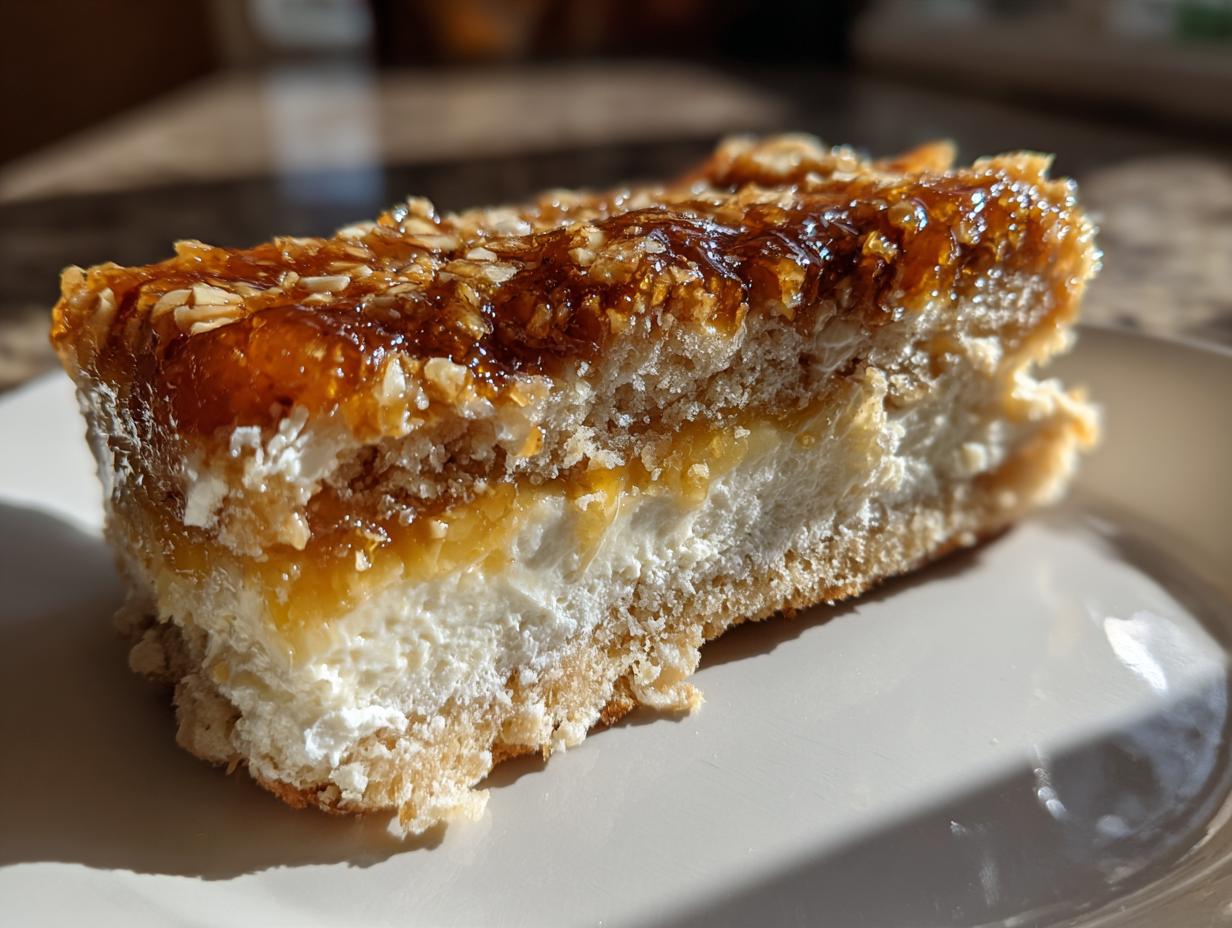
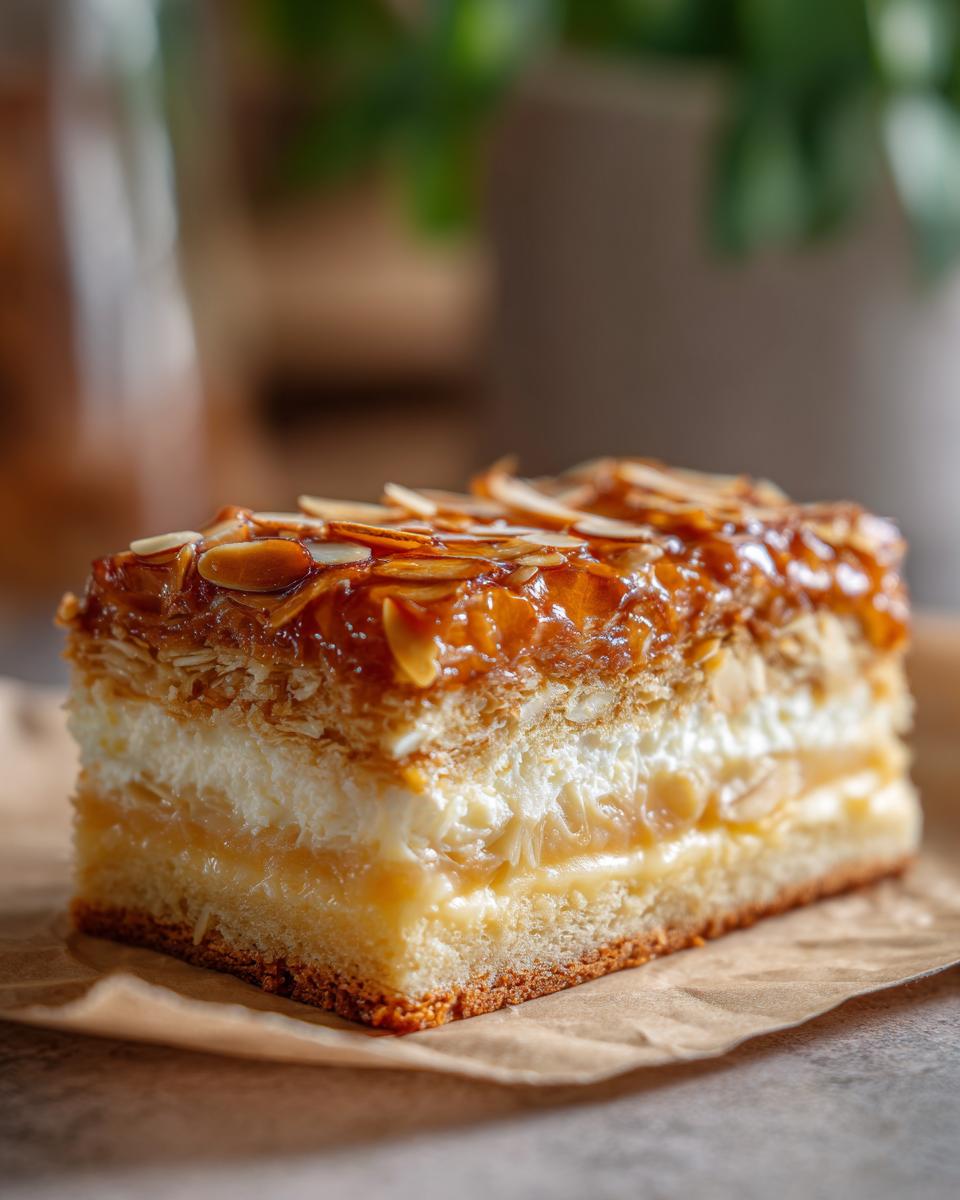
Sometimes you just crave that decadent, old-world dessert, right? Forget those overly fussy bakery versions; I promise you can bring the elegance of Europe right into your own kitchen! Today, we’re diving deep into the truly authentic bee sting cake, known around the world as German Bienenstich. This isn’t just any layered cake; wow, it’s a masterpiece defined by contrasts—a soft, slightly sweet yeast dough hugging a thick, creamy vanilla custard, all sealed under a glorious, crunchy blanket of caramelized almonds. Here at Devour Dish, every recipe—even these more traditional European gems—gets tested until it’s absolutely reliable. My goal is always to make memorable food simple, and this spectacular cake proves you don’t need complicated techniques for incredible results. You’re going to love mastering this one. If you love this classic style, be sure to check out my recipe for German chocolate poke cake too!
- Why This Authentic Bee Sting Cake Recipe Works (E-E-A-T Focus)
- Ingredients for Your Perfect Bee Sting Cake
- Step-by-Step Instructions for the German Bee Sting Cake
- Expert Tips for the Best Bee Sting Cake Recipe
- Serving Suggestions for Your Traditional European Cake
- Storage and Reheating Instructions for Bee Sting Cake
- Frequently Asked Questions About Bienenstich
- Estimated Nutritional Data for This Bee Sting Cake
- Share Your Homemade German Classics
Why This Authentic Bee Sting Cake Recipe Works (E-E-A-T Focus)
I know what you’re thinking: yeast dough? That sounds intimidating! But trust me on this one. When we develop recipes here, we test them until they are foolproof so you get spectacular results every time, just like you read in our food philosophy. This German Bee Sting Cake recipe avoids common pitfalls.
Here’s why it’s reliable and so good, even if you’re a baking beginner:
- The yeast dough rises beautifully, giving you that signature soft base instead of a dry sponge.
- We nail the topping! The honey-almond layer caramelizes perfectly without burning the almonds, giving you that irresistible crunch.
- The filling is a real, rich vanilla custard, but we lighten it up by folding in whipped cream, making it decadent without being heavy.
If you’re looking for that perfect balance of textures, this is the one that always delivers. It truly is the best Bee Sting Cake recipe out there for reliable home bakers!
Ingredients for Your Perfect Bee Sting Cake
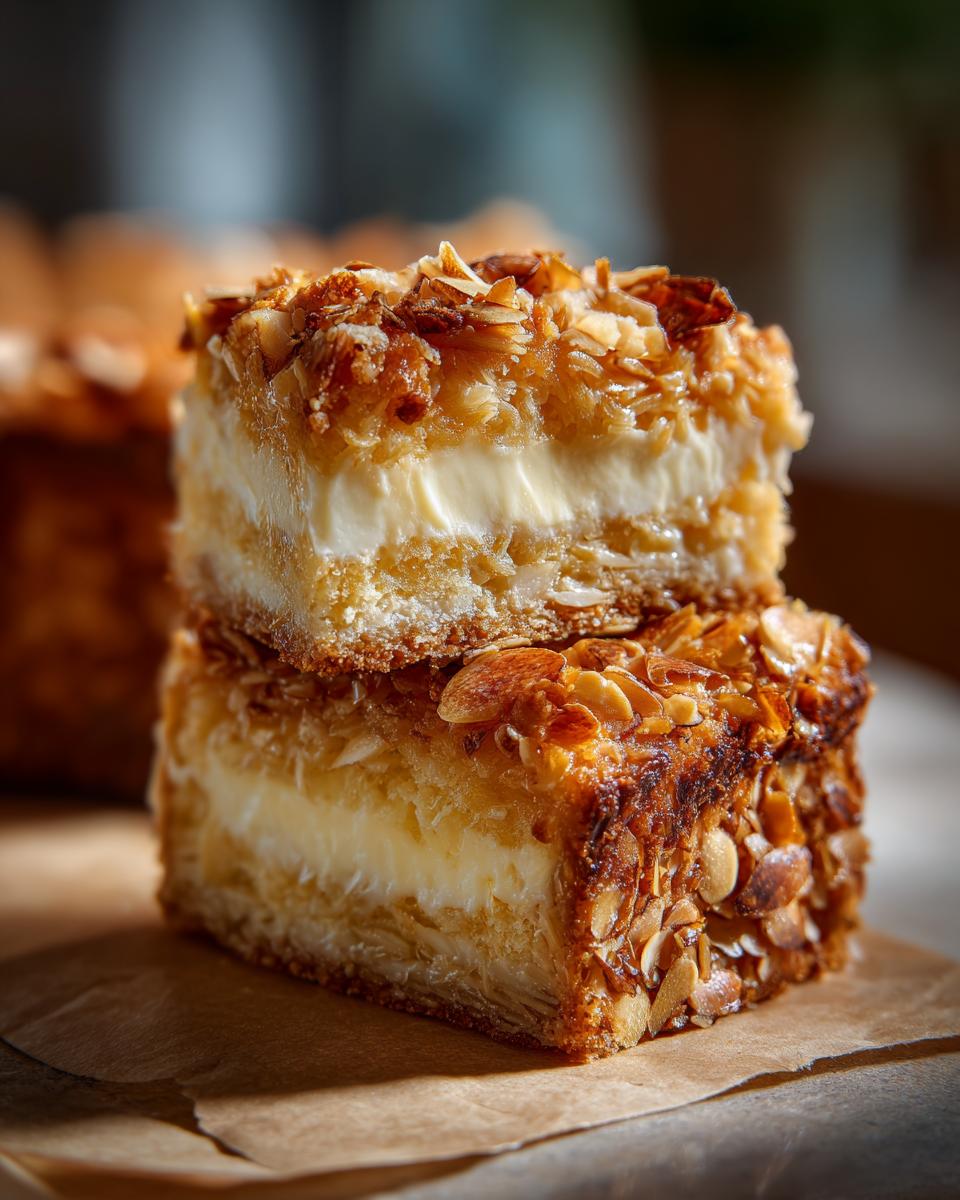
Okay, let’s talk about what makes this Bienenstich recipe sing! Since we are making a traditional yeast cake, you need reliable ingredients, especially for that soft dough base. I’ve broken everything down into the three parts, just like we’ll tackle them in the kitchen. Remember, success here comes from having everything ready to go before we start mixing!
Don’t worry about complicated substitutions; we’re sticking to the classics here to get that authentic German flavor that makes this cake so famous. And speaking of classic flavors, if you need a refreshing side, check out my recipe for easy homemade lemonade—it’s perfect for summer coffee breaks!
For the Yeast Dough Base
This is the fluffy foundation! You’ll need about three cups of flour total, but these specific amounts are key:
- 1 cup milk (and this has to be lukewarm, remember? Not hot, or we kill the yeast!)
- 1/4 cup granulated sugar
- 2 1/4 teaspoons active dry yeast
- 3 cups all-purpose flour
- 1/2 teaspoon salt
- 1 large egg
- 1/4 cup unsalted butter, softened just right
For the Honey Almond Topping
This is the crunchy, sticky part that gets baked right on top! We need this cooked down briefly on the stovetop to get that glorious caramel texture:
- 1/2 cup granulated sugar
- 1/4 cup honey (use a nice flavorful one if you have it!)
- 1/4 cup heavy cream
- 1/2 cup sliced almonds
- 2 tablespoons unsalted butter
For the Creamy Custard Filling
For the luscious middle layer, we make a nice thick vanilla custard. Make sure you have heavy cream ready to be whipped separately, which we’ll fold in later!
- 1 1/2 cups whole milk
- 1/2 cup granulated sugar
- 1/4 cup cornstarch (this is what thickens it up perfectly!)
- 1/2 teaspoon vanilla extract
- 2 large egg yolks
- 1/2 cup heavy cream (whipped until great peaks form)
Step-by-Step Instructions for the German Bee Sting Cake
Alright, time to get baking! This recipe might look long, but we’ll take it one piece at a time. When you break down the bee sting cake into its three components—dough, topping, and filling—it becomes totally manageable. I’ve found that having a great yeast dough recipe down makes all the difference, and we handle that first. We need to get the yeast happy so it does all the heavy lifting for us!
Mixing and Proofing the Yeast Dough
First things first: get that milk (just 1 cup!) gently warmed up until it’s lukewarm. See, we mix the yeast and a tiny bit of sugar into that warm milk and just let it sit until it gets foamy—usually about five minutes. If it doesn’t foam up, your milk was either too hot or your yeast is old money, so toss it and start over! While that’s happening, whisk your flour, salt, and the rest of your sugar together in a big bowl. Now, add your softened butter and the egg right into the yeast mixture, then combine everything with the dry ingredients. You mix it until it’s looking a little rough, and then you have to commit to kneading it for a good 5 to 7 minutes until it smooths out. Pop that smooth ball into a greased bowl, cover it up, and let it have a nice, long nap in a warm spot for a full hour. It needs to double in size!
Creating the Caramelized Almond Topping Tutorial
While our dough is proofing, we tackle the star of the show—that crunchy, amazing topping! This is where that “caramelized almond topping tutorial” comes in handy because the technique is crucial here. In a small saucepan, you want to combine the sugar, honey, heavy cream, and butter. Set it over medium heat and stir just until everything dissolves and starts to simmer gently. Once it’s simmering, stir in those sliced almonds and then immediately take the pan off the heat. Don’t overcook this, or your almonds will burn in the oven, trust me!
Baking and Cooling the Bee Sting Cake Base
Once that dough has puffed up nicely, gently punch it down—no need to be rough! Press it out evenly into your greased 9-inch springform pan. Now, dollop that warm, sticky almond mixture all over the dough layer. Yes, it looks crazy, but trust the process! Preheat your oven to 350°F (175°C). Bake it for about 25 to 30 minutes. You’re looking for that topping to be golden bubbly, which means it’s cooked through. Let it cool down completely on a rack. And I mean *completely* cool. If you try to slice this when it’s warm, the whole thing turns into mush, and we absolutely can’t have that after all this work!
Making and Chilling the Vanilla Cream Filling
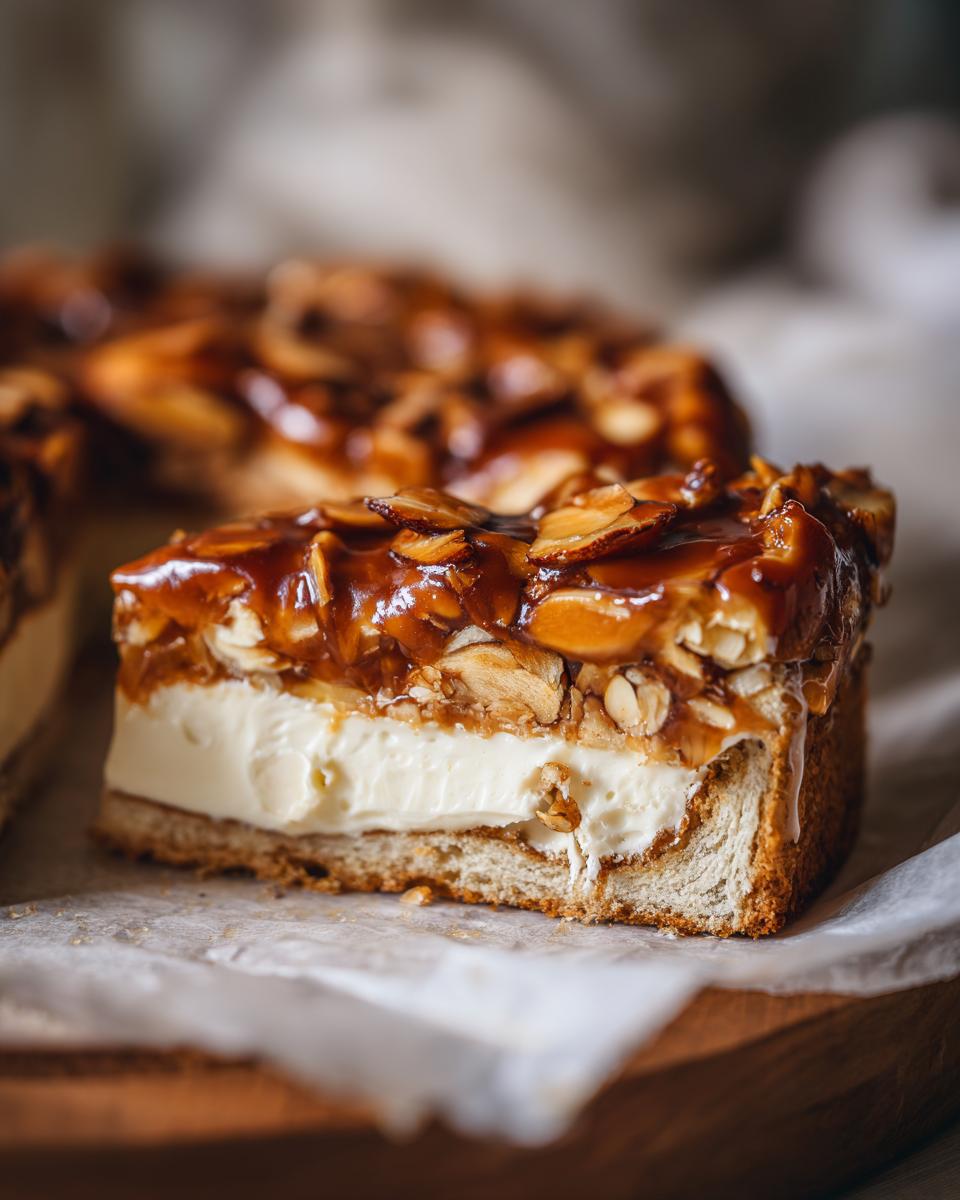
Now for the super creamy part! For this lightened-up filling, we cook the milk, sugar, cornstarch, and egg yolks in a saucepan. This has to be stirred constantly! I learned the hard way that this mixture burns quickly on the bottom if you walk away for even a second. Cook it until it thickens up like a pudding; this is basically homemade custard filling. Stir in your vanilla, then you need this trick: press plastic wrap directly onto the surface of the hot custard. This stops it from developing that weird rubbery skin. Chill it until it’s cold. When it’s cold, give it a quick whisk, and then—this is important for lightness—gently fold in your separately whipped whipped heavy cream. We want light and airy, not dense!
Assembling Your Layered Cake with Crunchy Topping
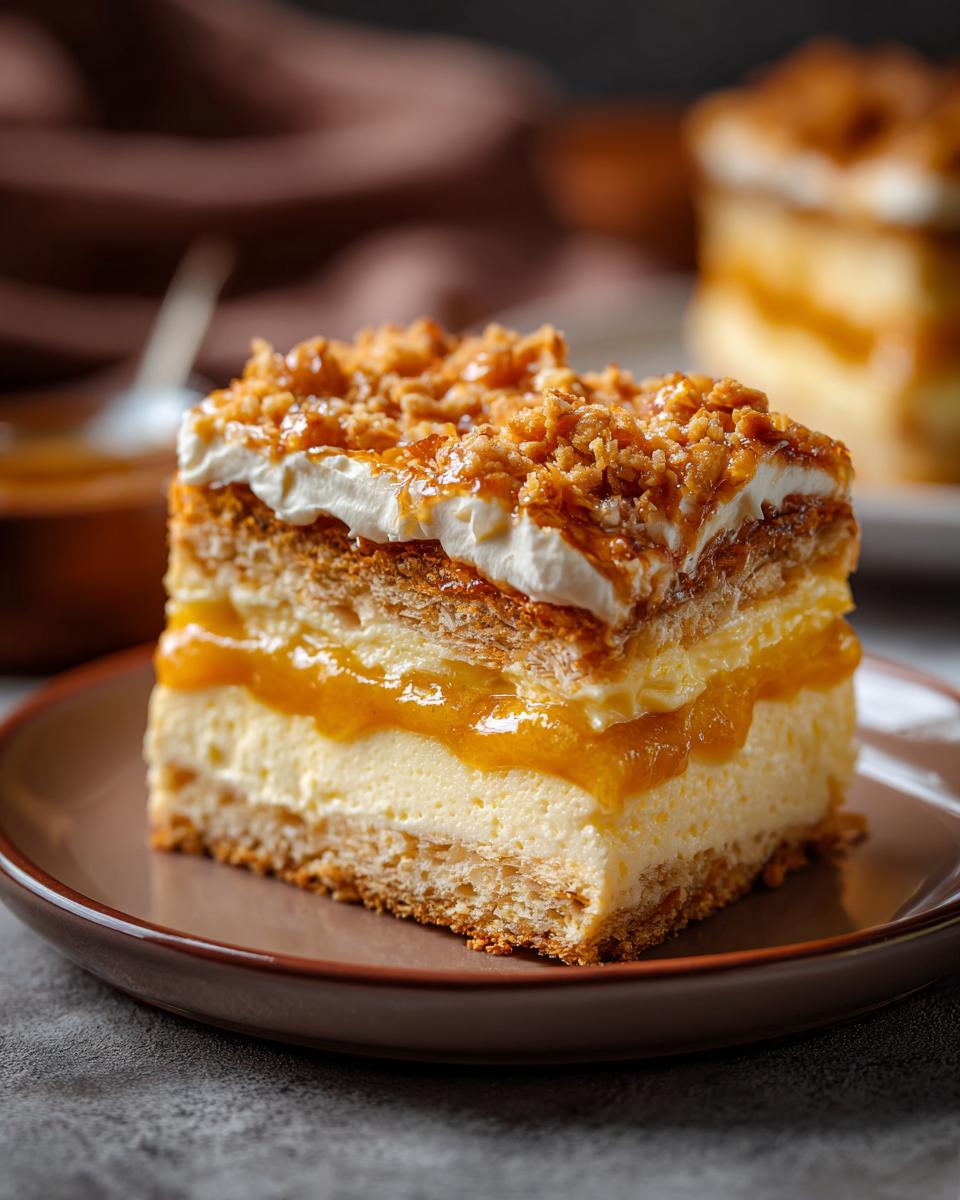
This is the big moment! Once that cake base is totally cool, carefully slice it horizontally right down the middle to create two even layers. Take that beautiful, smooth vanilla cream filling and spread it evenly over the bottom half. Then, gently place the top layer—the gorgeous almond crust side up—back on top. Don’t slice it yet! This traditional European cake needs at least 2 hours chilling time in the fridge. This lets the filling firm up around the yeast base, making clean slicing possible for your perfect layered cake with crunchy topping!
Expert Tips for the Best Bee Sting Cake Recipe
You’ve nailed the steps, but let me give you a few pointers I rely on to make sure this bee sting cake is always spectacular. Baking yeast things can feel fussy, but it’s mostly about temperatures.
When you activate that yeast, remember our golden rule: lukewarm milk, not hot! If it feels too warm on your wrist, it’s too hot for the yeast. That’s a non-negotiable step for a great rise. Also, regarding the custard filling—one of the notes I took from my early attempts was that you absolutely must stir the custard constantly to prevent scorching on the bottom of the pan. It thickens fast!
For that crunchy topping, you want that honey mixture bubbling gently, then pull it right off the heat to incorporate the almonds. If you keep cooking it, you’ll burn the beautiful topping before the cake even sees the oven. If you’ve mastered these bits, you’ll be so happy with the results. For another fun, yeasted treat, you might want to try my recipe for easy homemade soft pretzel bites!
For more classic techniques, you should also check out this great post on German Bee Sting Cake.
Serving Suggestions for Your Traditional European Cake
Now that you’ve made this stunning German Bee Sting Cake, you need the perfect moment to enjoy it! Traditionally, a rich cake like Bienenstich is absolutely fabulous for a cozy afternoon coffee break. It pairs so beautifully with a strong, hot cup of black coffee, if you ask me. It’s definitely elegant enough to serve as a dessert for special occasions, like birthdays or when company comes over—that crunchy, golden topping always impresses people!
If coffee isn’t your thing, this also goes wonderfully with a crisp German Riesling or, since this cake is so creamy, a mug of my rich, creamy homemade hot chocolate in the winter makes it extra special!
Storage and Reheating Instructions for Bee Sting Cake
Since this bee sting cake has that gorgeous, creamy vanilla filling, you absolutely must keep it chilled. Don’t leave it sitting out on the counter for more than an hour, even if company is over! It keeps really well in an airtight container in the fridge for about three to four days. The best part? You don’t reheat this at all. Its texture is meant to be enjoyed cold, which really highlights the crunch of that almond topping against the cool cream. Just pull a slice out about 15 minutes before you plan to serve it so it’s not *ice* cold, and enjoy your beautiful Bienenstich!
Frequently Asked Questions About Bienenstich
I totally get it—when you’re diving into a traditional European cake like this, you’ve got questions! It’s natural when you’re trying out a new technique, especially with a yeast cake. I’ve answered the most common things I hear about making this Bienenstich recipe successful right here. And hey, if you need something savory after all that sugar, my chicken vegetable soup recipe is on standby!
Can I use a cake mix instead of a yeast cake recipe for this bee sting cake?
Oh, please don’t! While convenience is great for a busy weeknight, using a cake mix really defeats the entire purpose of an authentic Bee Sting Cake. The magic of the true Bienenstich lies in that slightly savory, soft, yeasted dough base—it gives the cake its structure and a subtle richness that you just can’t get from a box mix. If you want the real deal, we have to commit to the initial rise time. It’s part of learning how to make Bee Sting Cake the right way!
What is the best way to keep the honey almond cake topping crunchy?
This is the eternal struggle with any layered cake that has a textural element on top! The topping starts crunchy because it’s baked right on the dough, but the moisture from the custard filling starts to soften it over time. The secret weapon is keeping it cold! Once assembled, keep the bee sting cake well-covered in the refrigerator until you are ready to serve it. Try to slice it and serve it the same day you assemble it, or within 24 hours, for maximum crunch contrast. And absolutely do not freeze the cake once the filling is inside; the texture of the cream and the topping just won’t be the same when thawed.
What makes this a ‘Bee Sting Cake’?
Isn’t the name dramatic? There are a couple of fun stories, but the most common folklore is that this cake was supposedly created by bakers in the town of Andau, Germany, who successfully scared off invading Vikings by throwing honey cakes at them—hence, the ‘sting’! Another sweet story suggests that the highly caramelized, sticky almond topping is meant to give you a little ‘sting’ when you bite into it, just like a bee sting itself. Either way, it certainly leaves a lasting impression!
For more classic techniques, you might want to explore some other great guides out there, like this one on German Bee Sting Cake recipes for comparison!
Estimated Nutritional Data for This Bee Sting Cake
Now, look, I’m Avery from Devour Dish, not a registered dietitian, so please take these numbers with a grain of salt—or maybe a tiny flake of that crunchy almond topping!
Since we are testing recipes for deliciousness and reliability, tracking exact nutrition is secondary, but I always provide the ballpark figures based on what’s in the recipe JSON so you know what you’re getting into with this rich bee sting cake. These estimates are based on our recipe yielding 10 generous slices of this German Bee Sting Cake recipe.
Keep in mind that things like the exact size of your egg or how much sugar *actually* sinks to the bottom of the custard can change these numbers a little bit!
Here’s the general breakdown for one slice:
- Calories: About 410
- Sugar: Roughly 35g (Yes, it’s a treat!)
- Fat: Around 22g total fat
- Protein: About 7g
- Carbohydrates: Coming in near 48g
It’s a substantial slice of European deliciousness, designed for special occasions or truly satisfying coffee time, so enjoy every bit!
Share Your Homemade German Classics
Well, we did it! You conquered the yeast dough, you mastered the creamy filling, and you baked that gorgeous, crunchy topping. Seeing your version of the bee sting cake (or Bienenstich, as the purists call it) truly makes my day here at Devour Dish.
I am so excited for you to share this triumph! If you made this cake for a special dinner or just for a quiet weekend treat, please come back and tell me how it went. Did the topping get perfectly crunchy? Did your family love it?
Take a picture of your beautiful creation—I love seeing what you all make! Tag me so I can celebrate those wonderful homemade German classics you’re bringing into your kitchen. And seriously, drop a comment below with your star rating! Your feedback helps others feel confident trying this wonderful recipe next time. If you end up needing to get in touch about anything else baking-related, my contact page is always open for your questions!
PrintAuthentic German Bee Sting Cake (Bienenstich)
Make a classic German Bee Sting Cake featuring a soft yeast dough base, creamy vanilla custard filling, and a crunchy, caramelized honey-almond topping.
- Prep Time: 45 min
- Cook Time: 30 min
- Total Time: 195 min
- Yield: 10 servings
- Category: Dessert
- Method: Baking
- Cuisine: German
- Diet: Vegetarian
Ingredients
- For the Yeast Dough: 1 cup milk, 1/4 cup granulated sugar, 2 1/4 teaspoons active dry yeast, 3 cups all-purpose flour, 1/2 teaspoon salt, 1 large egg, 1/4 cup unsalted butter (softened)
- For the Honey-Almond Topping: 1/2 cup granulated sugar, 1/4 cup honey, 1/4 cup heavy cream, 1/2 cup sliced almonds, 2 tablespoons unsalted butter
- For the Vanilla Custard Filling: 1 1/2 cups whole milk, 1/2 cup granulated sugar, 1/4 cup cornstarch, 1/2 teaspoon vanilla extract, 2 large egg yolks, 1/2 cup heavy cream (whipped)
Instructions
- Prepare the Yeast Dough: Warm the milk until lukewarm. Dissolve the yeast and 1 teaspoon of sugar in the warm milk. Let stand for 5 minutes until foamy.
- In a large bowl, whisk together the remaining sugar, flour, and salt. Add the egg and softened butter to the yeast mixture.
- Combine the wet and dry ingredients. Mix until a shaggy dough forms, then knead for 5 to 7 minutes until smooth. Place the dough in a greased bowl, cover, and let rise in a warm place for 1 hour, or until doubled.
- Prepare the Topping: While the dough rises, combine the sugar, honey, heavy cream, and butter in a small saucepan. Heat over medium heat, stirring until the sugar dissolves and the mixture simmers. Stir in the sliced almonds. Remove from heat.
- Preheat your oven to 350°F (175°C). Punch down the risen dough and press it into a greased 9-inch springform pan.
- Spread the almond topping evenly over the dough surface.
- Bake for 25 to 30 minutes, or until the topping is golden brown and bubbling. Let the cake cool completely on a wire rack.
- Prepare the Custard Filling: Whisk the milk, sugar, cornstarch, and egg yolks in a saucepan. Cook over medium heat, stirring constantly, until the mixture thickens into a pudding consistency. Remove from heat and stir in the vanilla extract.
- Press plastic wrap directly onto the surface of the custard to prevent a skin from forming. Chill completely.
- Once chilled, gently fold the whipped heavy cream into the cooled custard base to create a light cream filling.
- Assembly: Once the cake is completely cool, slice the cake horizontally into two even layers. Spread the vanilla cream filling evenly over the bottom layer. Place the top layer (the almond crust side) back on top.
- Chill the assembled Bee Sting Cake for at least 2 hours before slicing and serving.
Notes
- For the best texture, ensure your yeast is fresh and the milk is lukewarm, not hot, when activating the yeast.
- When making the custard, stir continuously to prevent scorching on the bottom of the pan.
- You can substitute the vanilla custard with a stabilized whipped cream if you prefer a lighter filling.
Nutrition
- Serving Size: 1 slice
- Calories: 410
- Sugar: 35g
- Sodium: 250mg
- Fat: 22g
- Saturated Fat: 12g
- Unsaturated Fat: 10g
- Trans Fat: 0.5g
- Carbohydrates: 48g
- Fiber: 1g
- Protein: 7g
- Cholesterol: 85mg