

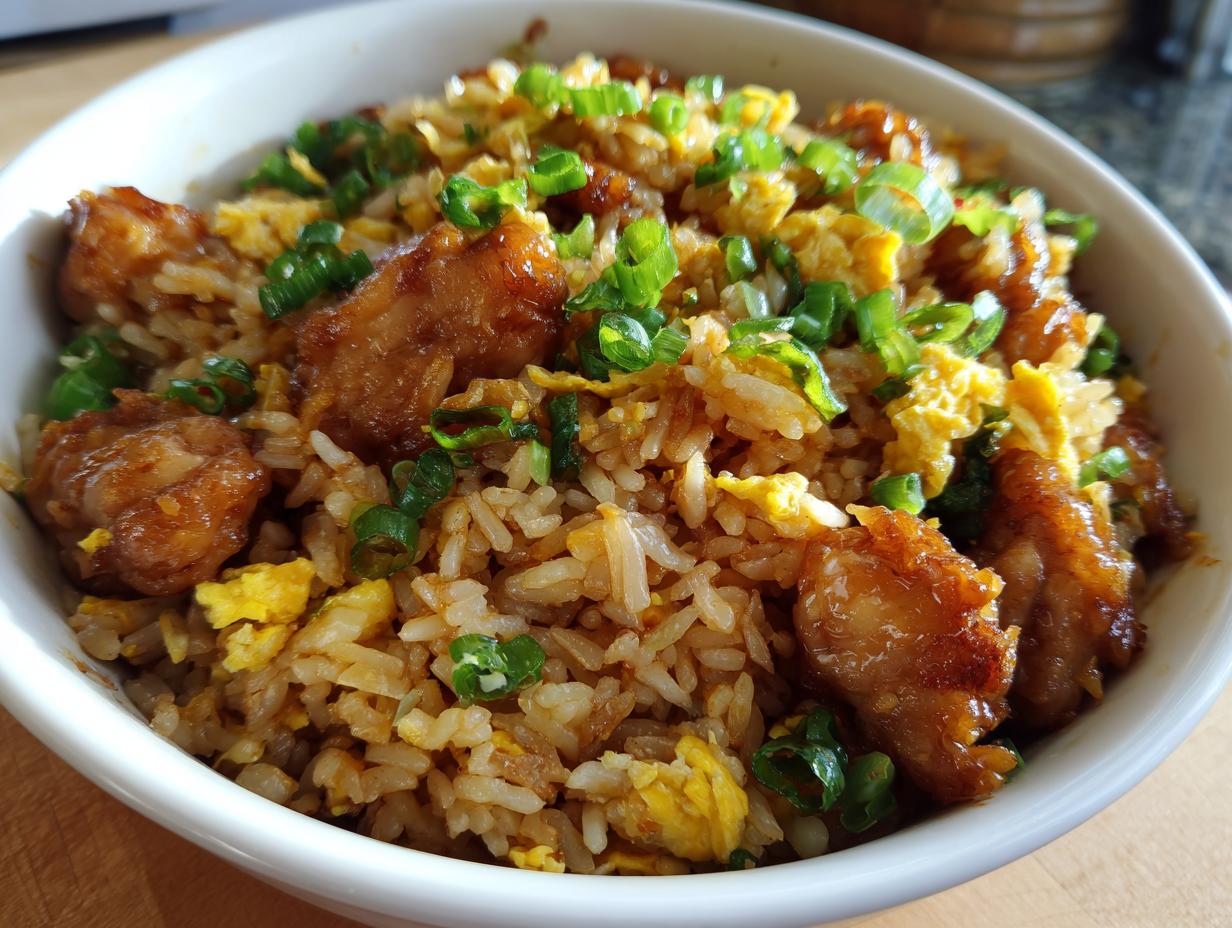
Oh, that craving hits hard, doesn’t it? You know the one—that intense need for savory, umami-packed takeout goodness, but you look at the clock and realize you don’t have two hours to spare. Well, stop reaching for your phone! I’m Avery Collins, and here at Devour Dish, my whole mission is proving that memorable meals don’t need to be complicated. Seriously, we are making phenomenal, restaurant-style chicken fried rice that tastes like it just came off a hot hibachi grill, and we’ll have it on the table in under 30 minutes. This is the ultimate recipe for those busy weeknights when you need reliable, simple comfort food. I promise, once you try this, delivery menus will start gathering dust. You can read more about my food philosophy over on my About Page!
- Why This Restaurant Style Chicken Fried Rice Beats Takeout
- Essential Ingredients for Perfect Chicken Fried Rice
- Step-by-Step Instructions for Restaurant-Style Chicken Fried Rice
- Tips for Making Hibachi Chicken Rice at Home
- Serving Suggestions for Your Easy Chicken Fried Rice
- Storage and Reheating Instructions for Leftover Chicken Fried Rice
- Frequently Asked Questions About Making Chicken Fried Rice
- Estimated Nutritional Profile for This Chicken Fried Rice
- Share Your Homemade Chicken Fried Rice Experience
Why This Restaurant Style Chicken Fried Rice Beats Takeout
I know what you’re thinking: homemade Homemade Fried Rice never tastes quite like the takeout version, right? Wrong! This recipe is specially built to capture that vibrant, savory flavor you crave. It’s one of my favorite Quick Dinner Recipes because it skips the sogginess and heavy oil you sometimes get when you order in.
Here is exactly why this recipe wins that takeout battle:
- It uses high heat and quick cooking steps to sear ingredients, not steam them.
- We finish it with sesame oil right at the end for that signature aroma.
- It’s unbelievably fast, meaning less time waiting and more time eating your delicious dinner.
You can check out more of my weeknight recipes over at my Dinner category!
Achieving Authentic Restaurant Style Fried Rice Flavor
The secret sauce here is layering flavor! You can’t just dump everything in at once and expect the magic to happen. We cook the chicken fast to get some browning, and then we introduce the aromatics—garlic and onion—to really build that base. The real clincher for that deep, savory profile is the splash of oyster sauce, but don’t stress if you skip it; the soy sauce does the heavy lifting. That tiny drizzle of sesame oil right off the heat is what ties the whole Restaurant Style Fried Rice experience together. Trust me, you’ll taste the difference!
Speed and Simplicity: A True 30 Minute Meal
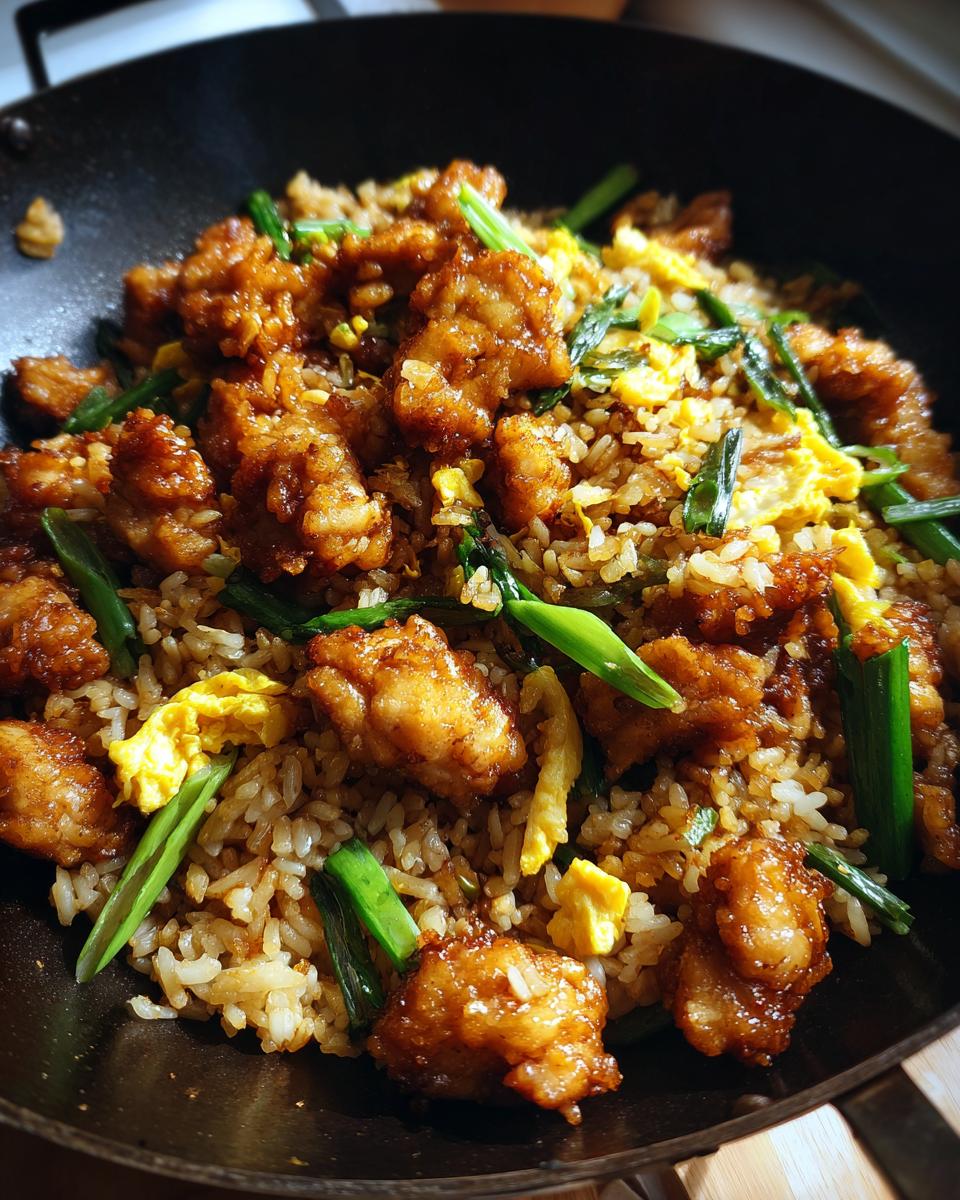
Who has time for complicated cleanup on a busy night? That’s why I designed this to be an Easy One Skillet Meal. The total time clocks in at just 28 minutes—that’s faster than most delivery drivers get to your door! You toss everything through the wok, scrape out what you need, and toss it all back in. This is the definition of dependable Weeknight Chicken Dinners. It’s all about using the right tools to make it happen fast!
Essential Ingredients for Perfect Chicken Fried Rice
Okay, the success of any good chicken fried rice—the kind that tastes like you spent hours perfecting it—comes down to two things: high heat and using the absolute right ingredients. Skip any of these core items, and you might end up with something closer to soggy rice casserole, which, let’s be honest, is not what we are aiming for here. We want that fluffy, separated texture!
I’ve listed everything you need below, but let me tell you right now, the rice choice is non-negotiable if you want that crisp, restaurant-style finish immediately.
- 2 cups cooked day-old rice, must be cold. Seriously, this is foundational!
- 1 pound boneless, skinless chicken breast, diced into little cubes.
- 2 tablespoons vegetable oil, split between cooking the chicken and the eggs/veggies.
- 2 large eggs, which you’ll lightly beat up.
- 1 cup frozen mixed vegetables (peas and carrots are the classics for a reason).
- 2 cloves garlic, minced super fine. Don’t skimp on the garlic, please!
- 1/4 cup chopped yellow onion for that grounding flavor.
- 3 tablespoons soy sauce, and you can always add more later based on your taste.
- 1 tablespoon oyster sauce (this is optional but adds incredible depth and color!).
- 1 teaspoon sesame oil, this goes in last, trust me.
- 2 green onions, sliced thinly, specifically for garnishing at the very end.
Ingredient Notes and Substitutions for Your Chicken Fried Rice
I need to talk about that rice, because if you use freshly cooked, warm rice, you are going to get mush. Cold, leftover rice recipes work best because the grains harden up overnight, allowing them to absorb the heat and seasonings without breaking down into paste. If you are in a massive pinch and only have fresh rice, you can try spreading it thin on a baking sheet and letting it dry out in the fridge for an hour, or just embrace that it won’t be quite as perfectly Fluffy Rice Recipe perfect this time around.
For the sauces, high-quality soy sauce makes a real difference. If you can’t handle oyster sauce or just don’t have it, a dash of Worcestershire sauce sometimes mimics that savory boost, though it won’t be the same. And hey, if you are looking for tips on how to get perfectly fluffy rice in general, I talk about my favorite quick methods over in my post about Rice Pilaf!
Step-by-Step Instructions for Restaurant-Style Chicken Fried Rice
Alright, let’s get cooking! Since we are keeping this under 30 minutes, the key is efficiency. We want high heat and we don’t want to crowd the pan. Remember, this whole process moves fast once we start introducing that cold rice. Don’t worry if you need to wipe out your wok or skillet between cooking steps—that ensures you build layers of flavor instead of steaming everything together. You can see more of my quick skillet meals, like my One-Pot Cheesy Sausage and Rice Skillet for inspiration on fast cooking!
Cooking the Chicken and Eggs Separately for Best Results
First things first: seasoning your chicken! A little salt and pepper goes a long way. Get one tablespoon of oil heating in your wok over medium-high heat. You need that heat cranked up! Cook the diced chicken until it’s nicely browned and, most importantly, cooked all the way through—this usually takes about five to seven minutes. Then, you MUST remove it. If you leave it in, it will dry out while the eggs cook. Next, add that last bit of oil and pour in your beaten eggs. Scramble them quickly until they are just set, not browned, and immediately scrape those eggs out too.
Stir Frying the Rice and Combining for Ultimate Chicken Fried Rice
Now we build the fresh flavor base! Add your garlic and onion and give them about 30 seconds until you can really smell them. Toss in your frozen veggies and cook them for two minutes. Now comes the star: the cold rice! Break up those clumps with your spatula—you want separation, not solid blocks! Stir fry that rice for three or four minutes until it gets a little toasted. Then, quickly add the chicken and eggs back in. Pour the soy sauce and oyster sauce right over the top and toss everything together rapidly until it’s completely coated for that perfect Takeout Chicken Fried Rice look. Finish with the sesame oil, taste test, and serve immediately!
Tips for Making Hibachi Chicken Rice at Home
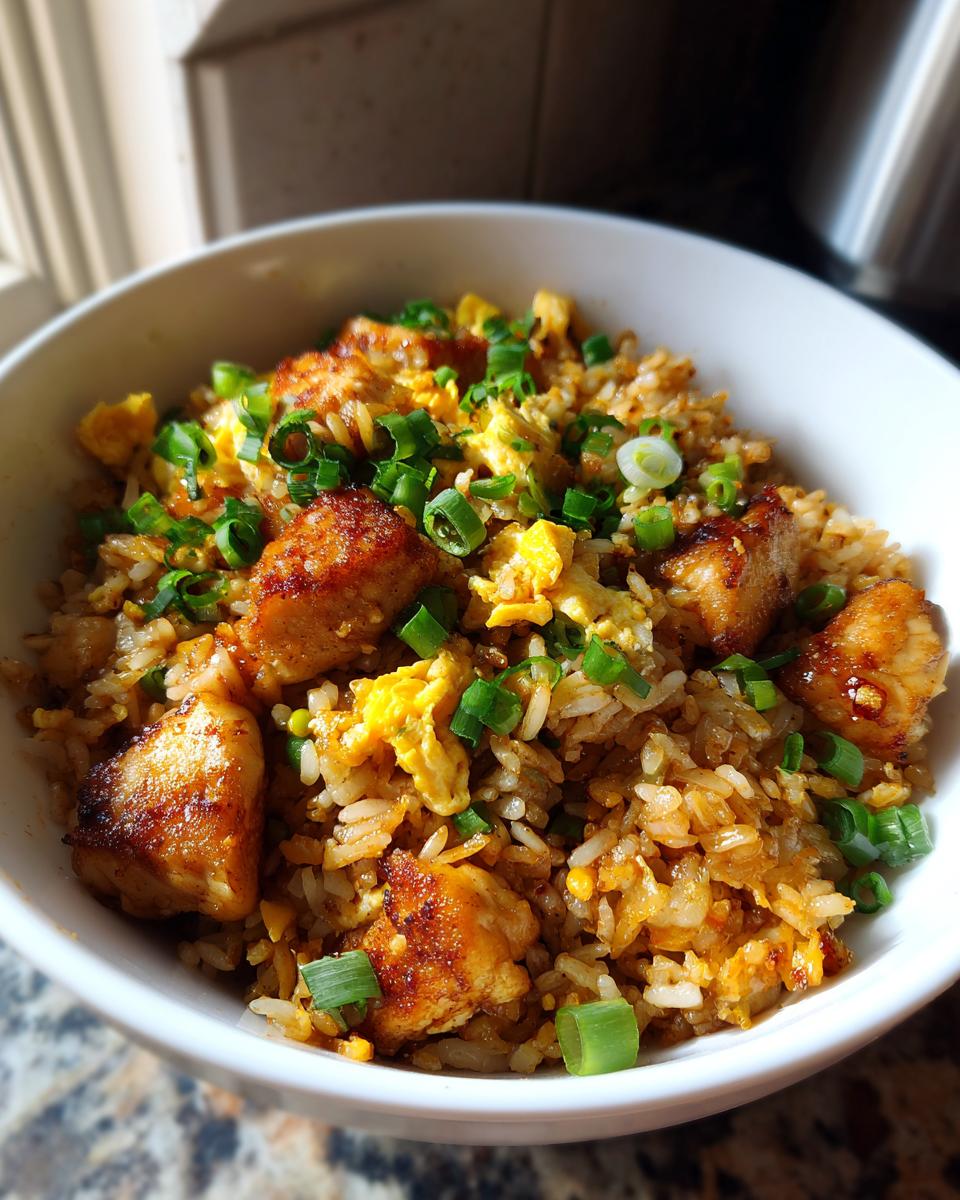
If you’ve been looking for that authentic, slightly greasy, super savory flavor you get at the big hibachi tables, you’re in the right place! Getting that real Hibachi Chicken Rice flavor at home isn’t hard; it just requires a couple of little tweaks to this base recipe. It’s all about using the right fat and making sure your pan screams hot!
My biggest #1 secret for that wonderful grilling flavor? Butter. You won’t see it in the standard recipe list because we use neutral oil for the chicken and egg (to keep them from burning), but we bring the butter in when we cook the veggies and aromatics. Seriously, melt about a tablespoon of real butter in the wok right before you toss in the garlic, onion, and frozen veggies. That milky richness that butter delivers under high heat is what separates it from routine stir-fry.
Also, make sure your heat stays high! Once you get to the rice stage, you need to be moving quickly. Don’t let the rice sit still waiting to heat up; you want it sizzling and slightly toasting, which is what gives you that lovely texture instead of soft, stewed grains. Keep things moving briskly, use that butter trick, and you’ve basically got a teppanyaki chef working in your own kitchen. If you want another fantastic chicken dish that works perfectly for a family dinner, check out my recipe for comforting Chicken and Dumplings!
Serving Suggestions for Your Easy Chicken Fried Rice
The beauty of this Chicken and Vegetable Stir Fry is how versatile it is! While this dish is hearty enough to stand alone any night of the week, it’s also the perfect supporting player for a bigger Asian Dinner Ideas spread. If you’re serving it as a main dish, sometimes I like to serve it alongside something bright and crunchy to cut through all that savory goodness.
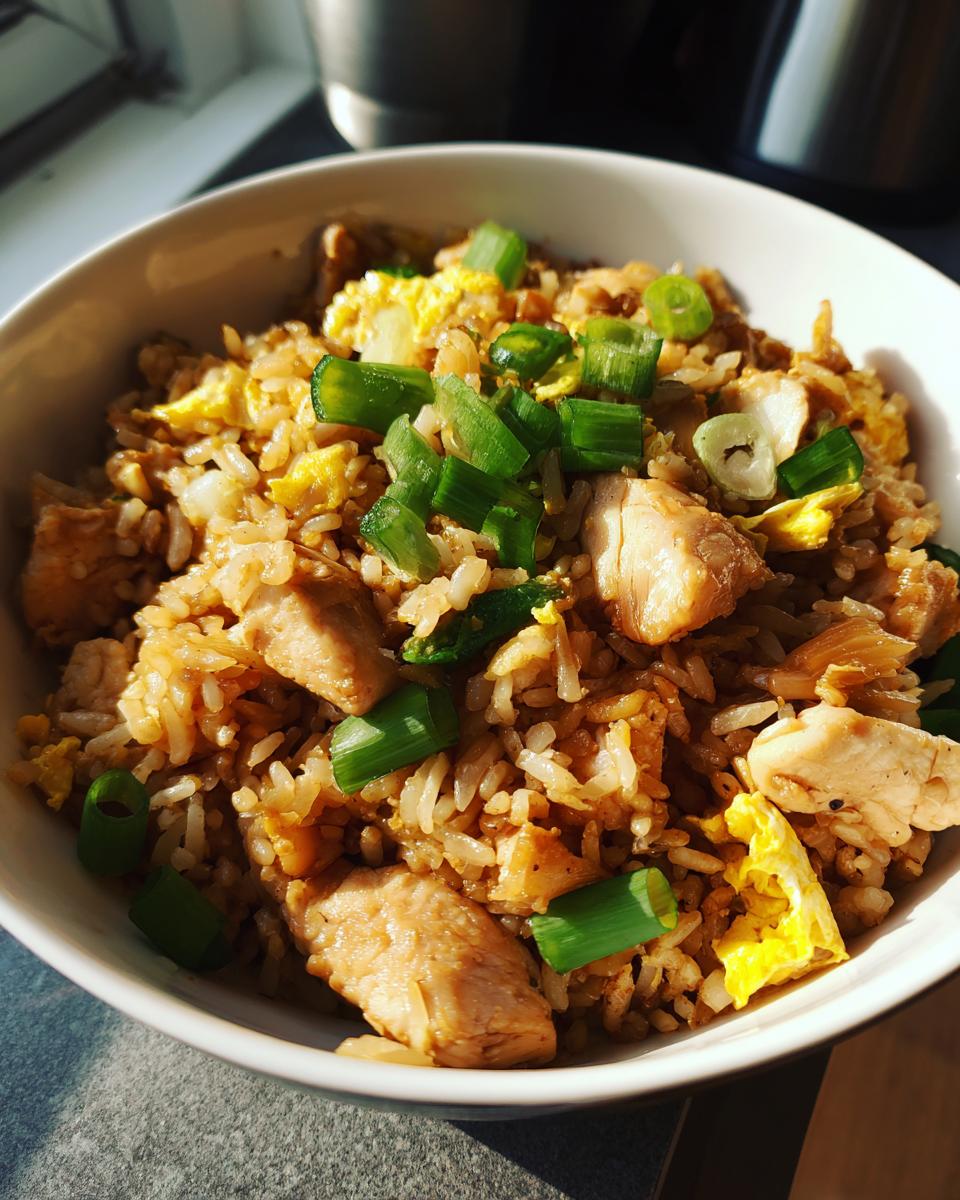
If you want to beef it up for a crowd, try tossing some steamed broccoli or sautéed snap peas in when you add the mixed veggies. Oh, and if you’re looking for a fresh, cool salad to balance the rich rice, you simply must try my family’s favorite Copycat Salad recipe. It’s the perfect cool contrast!
Storage and Reheating Instructions for Leftover Chicken Fried Rice
I honestly hope you have leftovers because this chicken fried rice tastes even better the next day! But how you store it matters a lot, especially since we worked so hard to make sure that rice wasn’t mushy to begin with. If you followed my advice and used cold, day-old rice, storing it correctly keeps that texture intact.
When you’ve finished eating, let the rest of the fried rice cool down on the counter for maybe thirty minutes—don’t leave it out for hours, obviously—but don’t shove scorching hot rice straight into the fridge either. You want to get it into an airtight container once it’s not steaming anymore. This keeps bacteria out and prevents the rice from soaking up strange fridge smells. It keeps beautifully like this for about three days, easy peasy!
When reheating, a microwave can sometimes bring back that soggy factor, so I have a couple of tricks up my sleeve. If you’re only reheating a small portion, throw it back into a non-stick skillet on medium heat with just a teaspoon of water or broth. Cover it loosely for a minute or two to steam the rice just enough to warm it through, then uncover and let any excess steam evaporate. If you must use the microwave, make sure you just use short 30-second bursts, stirring in between, and only heat until it’s warm, not scalding hot.
This recipe is such a fantastic way to manage leftovers that I often make a double batch just for lunches! If you love comforting chicken and rice dishes, you should peek at my recipe for Easy Creamy Chicken Rice Soup—it’s fantastic for colder nights!
Frequently Asked Questions About Making Chicken Fried Rice
I get so many messages about tweaking this chicken fried rice recipe, which is totally wonderful because it shows you’re getting creative in the kitchen! Don’t worry if you have questions; making that perfect Chinese Takeout at Home requires a little bit of know-how. Here are some of the most common things folks ask me when they are preparing their own One Pan Rice Recipes.
Can I use fresh rice instead of day-old rice in this chicken fried rice recipe?
Oh, this is the number one question! In short, you really, really shouldn’t if you want that authentic texture. Fresh, warm rice is full of moisture, and when you toss it in a hot wok, it steams and turns gummy—we want fried, not stewed! If you absolutely must use fresh rice, don’t use it straight from the pot. You need to spread that cooked rice out really thin on a baking sheet and stick it in the freezer for at least 30 minutes, or the fridge for several hours, to dry it out significantly. That cold, firm rice is your ticket to success!
What is the secret to achieving that savory ‘Asian Comfort Food’ taste?
The flavor comes down to those specific finishing touches that elevate it beyond just savory rice. You need salty, sweet, and nutty notes all hitting at once. So, make sure you are using good quality soy sauce—I use regular, not low-sodium, for that first hit of flavor (you can always add more afterwards). The optional oyster sauce adds that deep, dark, salty-sweet component that screams Restaurant Style Fried Rice. And please, use the sesame oil! We add it right at the very end, off the heat, so that nutty aroma permeates the whole dish. That combination is the magic button for ultimate Asian Comfort Food.
How can I make this a ‘Healthy Chicken Fried Rice Alternative’?
That’s a great goal! This recipe is already pretty balanced, especially since it’s a fantastic way to use up veggies, but if you’re aiming for an even Healthy Chicken Fried Rice Alternative, you can make a few swaps without sacrificing much flavor. First, use low-sodium soy sauce if you’re watching sodium—just taste before you add more at the end! Secondly, use less oil overall. You can probably get away with just 1 tablespoon total by cooking the chicken in batches and then cooking the eggs together right in the chicken fat left behind. Lastly, double up on the vegetables! If you use two cups of veggies instead of one, you naturally decrease the rice-to-veg ratio, making it a lighter, brighter meal. These simple changes really help!
By the way, if you ever need another quick, balanced meal that features chicken and some good veggies, take a look at my Avocado Chicken Salad—it’s perfect for a non-rice day when you still want something satisfying!
Estimated Nutritional Profile for This Chicken Fried Rice
I always try to give you folks a ballpark idea of what you’re eating, especially when we are whipping up such a satisfying Weeknight Chicken Dinner like this! Remember, these numbers are estimates, right? Since we are all seasoning a little differently and buying chicken breasts of slightly different sizes, your final count might vary a bit. I calculated this breakdown based on the standard measurements in the recipe, including that optional oyster sauce, so you have a clear benchmark.
Transparency is a huge part of keeping things real in the kitchen, which is why I always try to share the data alongside my recipes. If you’re ever looking for dinners where nutrition is the absolute main focus, check out my post on 30-Minute Anti-Inflammatory Dinners!
- Serving Size: 1 serving
- Calories: Approximately 420
- Protein: 32g (That’s fantastic for keeping you full!)
- Fat: 15g total (Only about 3g of that is saturated fat)
- Carbohydrates: 40g
- Fiber: 2g
- Sodium: 850mg (This is where homemade wins—you control the salt!)
- Cholesterol: 180mg
See? It’s really not too heavy for a homemade version of that classic takeout flavor! It’s a great balance when you’re aiming for something comforting that also packs a good protein punch for your Family Favorite Dinner.
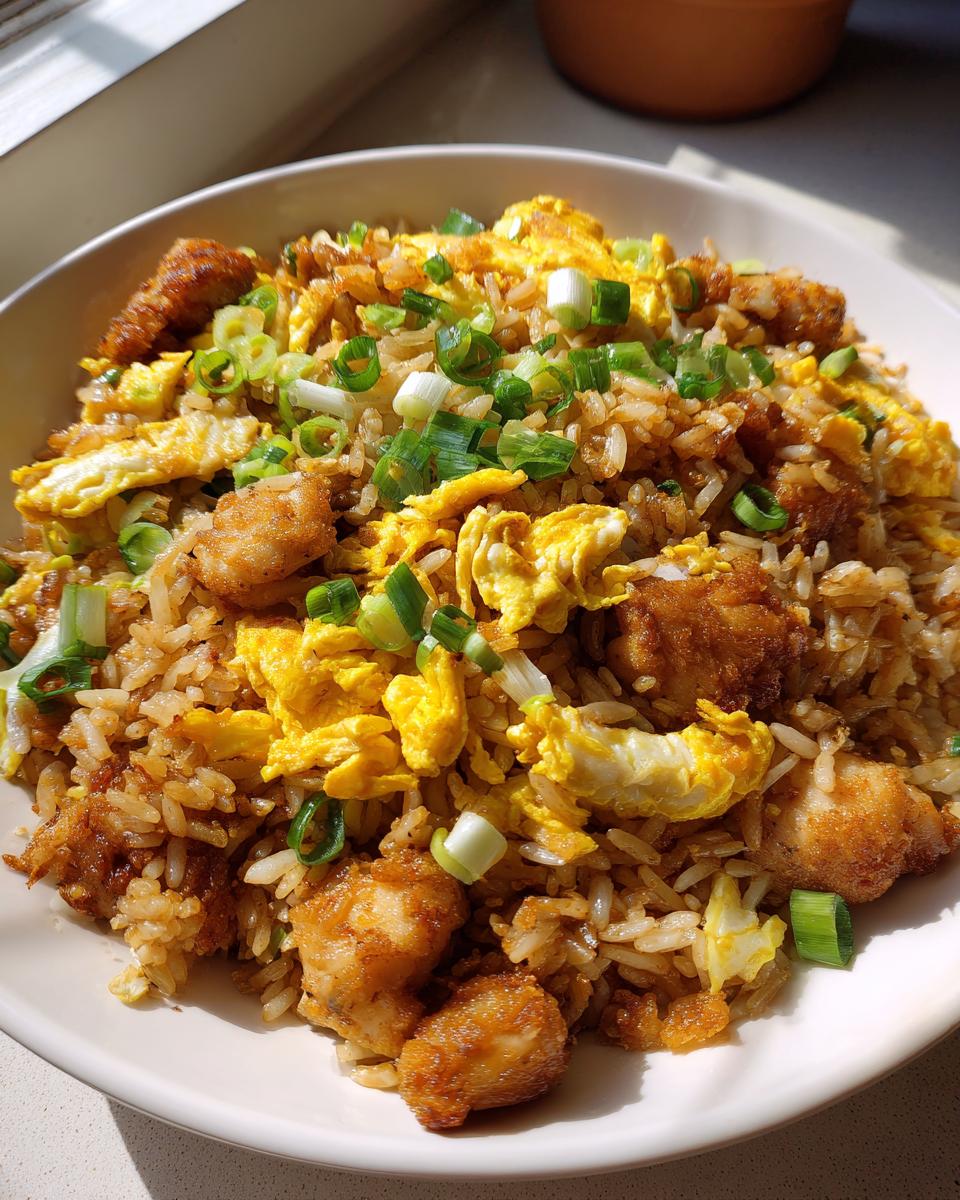
Share Your Homemade Chicken Fried Rice Experience
Whew! Now that you’ve mastered this amazing chicken fried rice, I’m dying to know what you thought! Seriously, watching you all recreate my favorite, simple recipes is the best part of all this. Did you add extra veggies? Did you dare to use the oyster sauce, or did you stick to the basics? I hope you got that perfect, fluffy rice texture that makes this recipe so famous.
Don’t be shy! Come back here and drop a review or a star rating below so I know how this one turned out for your Easy One Skillet Meal night. Tell me if it officially beats your usual spot for Chinese Takeout at Home! If you have any questions that I missed in the FAQ section, or if you want to send me a picture of your beautiful plate of Savory Chicken and Rice, you can always reach out to me directly through my contact page. Happy cooking, everyone!
PrintRestaurant-Style Chicken Fried Rice in Under 30 Minutes

Make easy, takeout-quality chicken fried rice at home using day-old rice. This one-pan recipe is quick, flavorful, and perfect for a weeknight dinner.
- Prep Time: 10 min
- Cook Time: 18 min
- Total Time: 28 min
- Yield: 4 servings 1x
- Category: Dinner
- Method: Stir Fry
- Cuisine: Asian
- Diet: Low Fat
Ingredients
- 2 cups cooked day-old rice, cold
- 1 pound boneless, skinless chicken breast, diced
- 2 tablespoons vegetable oil, divided
- 2 large eggs, lightly beaten
- 1 cup frozen mixed vegetables (peas and carrots)
- 2 cloves garlic, minced
- 1/4 cup chopped yellow onion
- 3 tablespoons soy sauce, or to taste
- 1 tablespoon oyster sauce (optional, for depth)
- 1 teaspoon sesame oil
- 2 green onions, sliced, for garnish
Instructions
- Season the diced chicken lightly with salt and pepper. Heat 1 tablespoon of vegetable oil in a large skillet or wok over medium-high heat. Add the chicken and cook until browned and cooked through, about 5-7 minutes. Remove the chicken and set it aside.
- Add the remaining 1 tablespoon of oil to the skillet. Pour in the beaten eggs and quickly scramble them until just set. Remove the eggs and set them aside with the chicken.
- Add the minced garlic and chopped onion to the skillet. Stir fry for about 30 seconds until fragrant.
- Add the frozen mixed vegetables to the skillet and cook for 2 minutes until they are heated through.
- Add the cold, day-old rice to the skillet. Break up any clumps with your spatula. Stir fry for 3-4 minutes until the rice is heated through and slightly toasted.
- Return the cooked chicken and scrambled eggs to the skillet. Pour the soy sauce and oyster sauce (if using) over the rice mixture. Toss everything together quickly to coat evenly.
- Stir in the sesame oil. Taste and add more soy sauce if needed. Cook for one final minute.
- Remove from heat. Garnish with sliced green onions before serving immediately.
Notes
- Using cold, day-old rice prevents the fried rice from becoming mushy.
- For a Hibachi style flavor, add a small amount of butter when frying the vegetables.
- This recipe is a great way to use leftover cooked rice.
Nutrition
- Serving Size: 1 serving
- Calories: 420
- Sugar: 4
- Sodium: 850
- Fat: 15
- Saturated Fat: 3
- Unsaturated Fat: 12
- Trans Fat: 0
- Carbohydrates: 40
- Fiber: 2
- Protein: 32
- Cholesterol: 180